

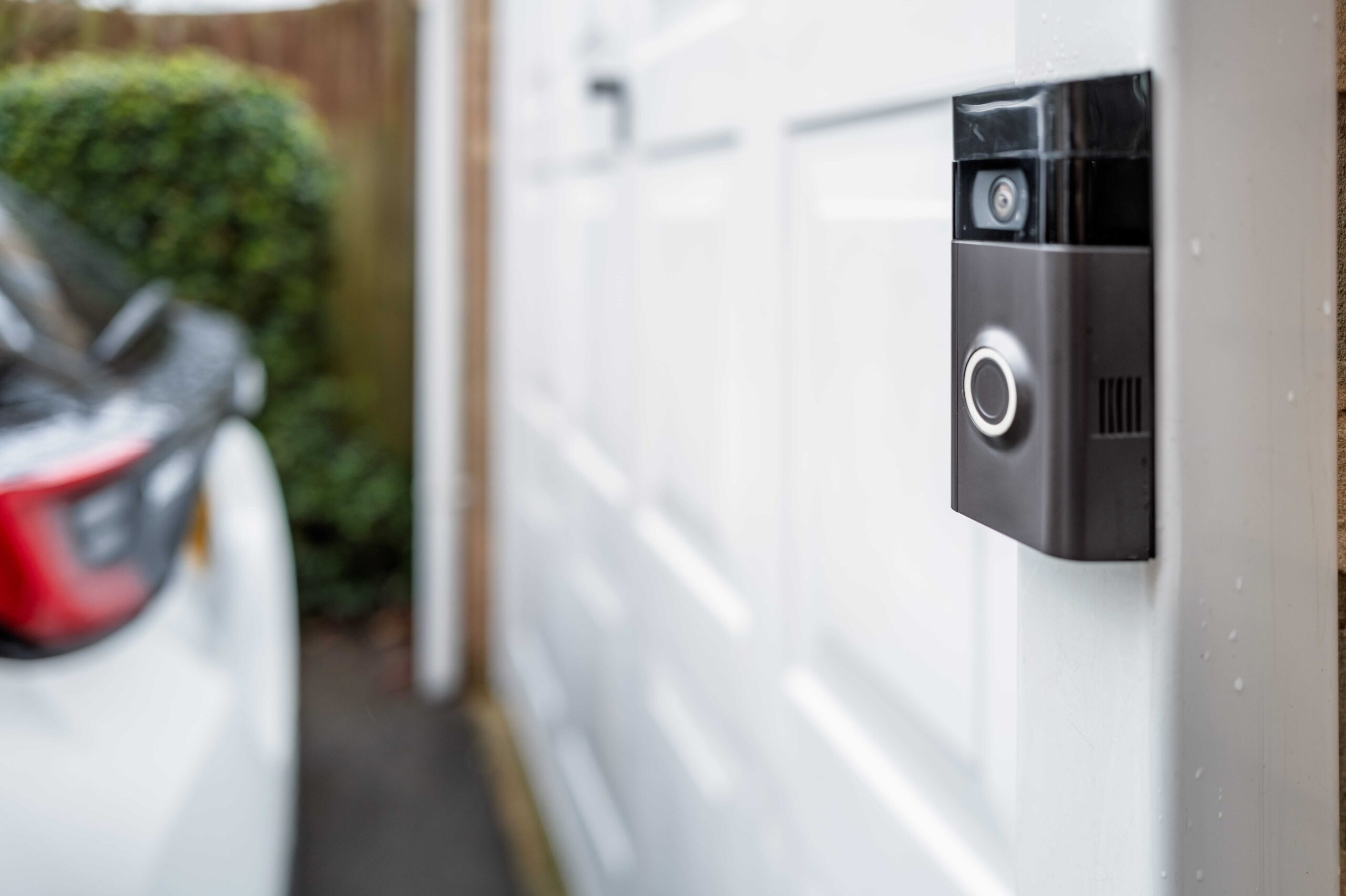
ONS figures show “other household theft”, driven by thefts from outside homes, rose 21% in England and Wales in the year to March 2026. The best protection is layered: a closed-shackle padlock fixed with coach bolts, a shed or garage alarm, motion-activated lighting, and CCTV covering the shed door, side gate and drive, with alerts sent to your phone.
Scroll through your local Facebook group, and it won’t be long before you see it: a car taken from someone’s drive overnight, a shed cleared of tools, or doorbell footage of a stranger walking straight up the drive or jumping the back fence. It’s happening to people you know, and it’s happening close to home.
Burglary in England and Wales is falling. The latest official figures show police-recorded burglary fell by 9% in the year to March 2026. But there’s a catch. Thieves aren’t necessarily breaking into homes as often. More of them are simply helping themselves to what’s outside.
According to the Office for National Statistics, “other household theft” rose by 21% to around 791,000 incidents, driven by a rise in thefts from outside people’s homes. That means bikes from the side passage, tools from the shed, power washers from the garage, garden furniture, catalytic converters and anything left on the drive.
With darker evenings now here, this is the time of year outdoor areas are most exposed. Here’s why it’s happening, what’s most at risk, and how to protect it.
Why outside theft is rising
There’s no single cause, but a few patterns come up again and again in the jobs our engineers attend:
- Sheds and garages are easy targets. Many have a basic padlock, no alarm and no lighting, and they’re often out of sight of the house.
- Their contents are valuable and easy to sell. Power tools, e-bikes, lawnmowers and garden machinery can be worth thousands and are hard to trace.
- Nobody sees it happen. Thefts from gardens often aren’t noticed until the next morning, or even days later.
- Winter gives thieves more cover. In December it can be dark before 4pm, which gives several hours of darkness while people are still at work.
What’s most at risk
| Area | Commonly stolen | Why it’s targeted |
| Sheds | Power tools, bikes, garden machinery | Weak locks, out of sight |
| Garages | Tools, e-bikes, car parts, sports equipment | Often left unlocked or opened with basic tools |
| Gardens | Furniture, planters, ornaments, BBQs | Easy to lift over a fence |
| Driveways | Cars, catalytic converters, number plates, parcels | Close to the road, quick getaway |
| Side passages | Bikes, bins, anything stored there | Hidden from the street and the house |
How to protect sheds, gardens and driveways
The most effective approach combines physical security with something that detects and records what’s happening. No single measure is enough on its own.
1. Strengthen the basics
- Fit a strong closed-shackle padlock and a good-quality hasp. Use coach bolts, not screws, so the hasp can’t simply be unscrewed.
- Mark valuable tools and bikes with your postcode and register them.
- Keep ladders and tools locked away. Left out, they can help thieves get into your house.
- Chain bikes and garden machinery to a ground anchor inside the shed or garage.
Our guide to securing a garage or workshop covers doors, locks and anchors in more detail.
2. Add an alarm to the shed or garage
An alarm is one of the simplest upgrades you can make. A loud siren will usually send an opportunist running, and many alarms send an alert to your phone. CCTV.co.uk supplies and fits CCTV and alarm systems for homes and businesses. If you’d like to protect a shed, garage or outbuilding, get in touch and we’ll talk you through the options for your property.
3. Light up the dark spots
Motion-activated lighting over the shed, side passage and drive makes it much harder to work unseen. Pair lighting with cameras, rather than relying on it alone. Our guide why leaving the lights on won’t keep burglars away explains why, and our home security lighting page shows the options.
4. Cover every outdoor area with CCTV
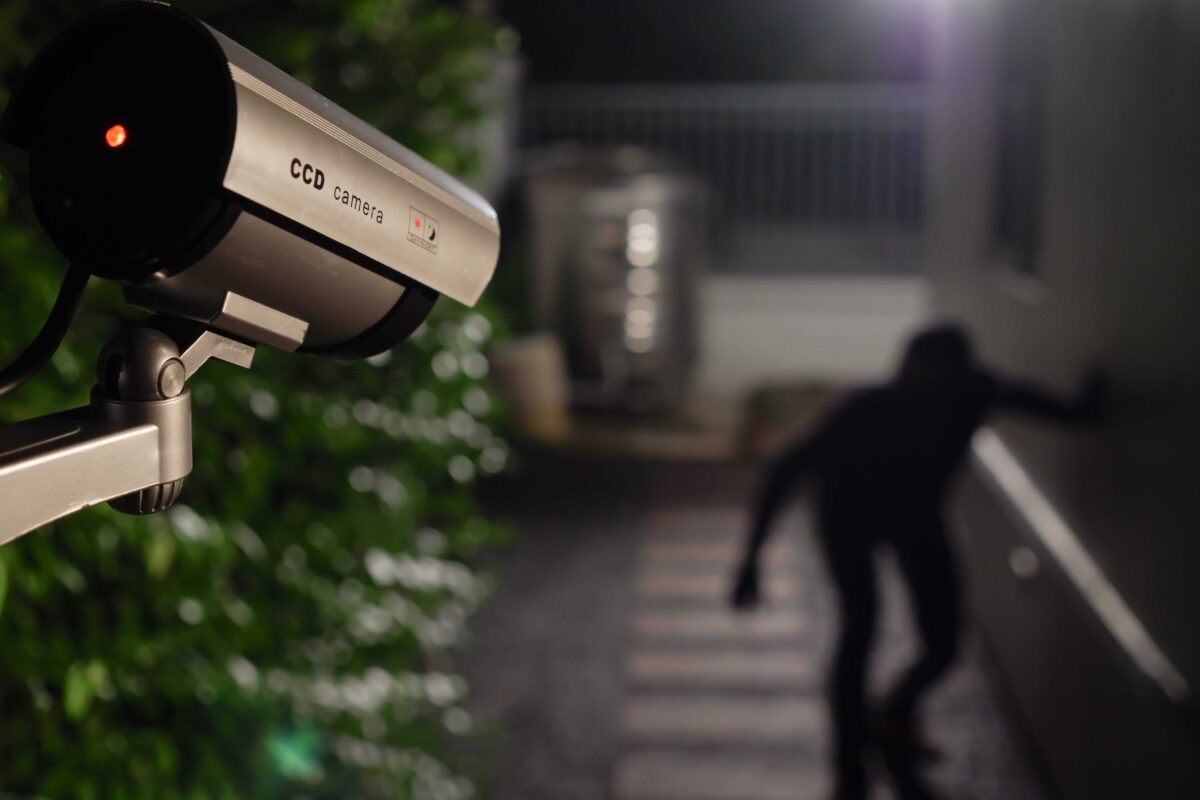
CCTV does three jobs at once. A visible camera deters thieves, motion alerts tell you something is happening as it happens, and clear footage gives the police something to work with.
For outdoor areas, the main things to get right are:
- Camera positions. Cover the shed or garage door, the side gate and the drive, not just the front door. Our guide to the best spots to put a home security camera explains how to avoid blind spots.
- Night-time image quality. Most outdoor theft happens after dark, so night vision matters. See night vision CCTV: what you actually get.
- Smart alerts. Person and vehicle detection means you’re alerted to someone in the garden, not every fox or passing car.
- Reliable power and connection. For main areas, wired cameras are the most dependable. For a shed at the bottom of a long garden, a solar or 4G camera can work well where running a cable isn’t practical.
Protect your shed, garden and drive this winter. Our local engineers design and fit CCTV that covers the outside of your home properly, from the shed door to the end of the drive, with remote viewing on your phone.
Get your free quote within 24 hours or call 0800 211 8310.
5. Protect your car on the drive
Driveway cameras should capture a clear view of anyone approaching the car, and ideally a readable number plate on any vehicle pulling in. Our guide to keeping your car safe on your drive covers the other steps, from steering locks to keyless-entry signal blockers.
6. Don’t forget oil tanks and outbuildings
If you live somewhere rural, your heating oil tank can be worth several hundred pounds to a thief. See our guide to preventing heating oil theft.
Keeping it legal
Home CCTV should be focused on your own property. If your cameras record beyond your boundary, such as a public footpath or a neighbour’s garden, data protection rules apply. Our guide to the legal requirements for home CCTV explains what you need to know, and our engineers will help you set camera angles and privacy masks correctly.
Your outdoor security checklist
- Strong closed-shackle padlock on the shed, fitted with coach bolts
- Tools and bikes security-marked and anchored
- Ladders locked away
- Shed or garage alarm
- Motion-activated lighting over the shed, side passage and drive
- CCTV covering the shed door, side gate, garden and drive
- Smart alerts set to people and vehicles
- Remote viewing working on your phone
- Cameras set up to cover only your property
Speak to a local CCTV.co.uk engineer
CCTV.co.uk has helped thousands of homeowners protect their property with professional CCTV installation. Every system starts with a free site survey, so we can see where your outdoor areas are most exposed and recommend the right cameras, alarms and lighting. We also offer CCTV servicing and repairs if your existing system isn’t performing as it should.
Request your free quote or call us free on 0800 211 8310.

Frequently asked questions
Is garden theft increasing in the UK?
Yes. ONS figures show “other household theft”, which includes theft from outside homes, rose by 21% to around 791,000 incidents in the year ending March 2026.
What is the best way to protect a shed?
Combine a strong padlock and hasp with an alarm, motion lighting and a CCTV camera covering the door. Anchor bikes and machinery inside.
Can I put a CCTV camera on my shed?
Yes. A camera on or near the shed is one of the most effective deterrents. If running a cable is difficult, a solar or 4G camera can be a good option.
Do shed alarms work?
A loud shed alarm is a strong deterrent to opportunist thieves, particularly when combined with lighting and CCTV.
Can my garden CCTV cover my neighbour’s property?
It should be focused on your own property. If it captures areas beyond your boundary, data protection rules apply.
