

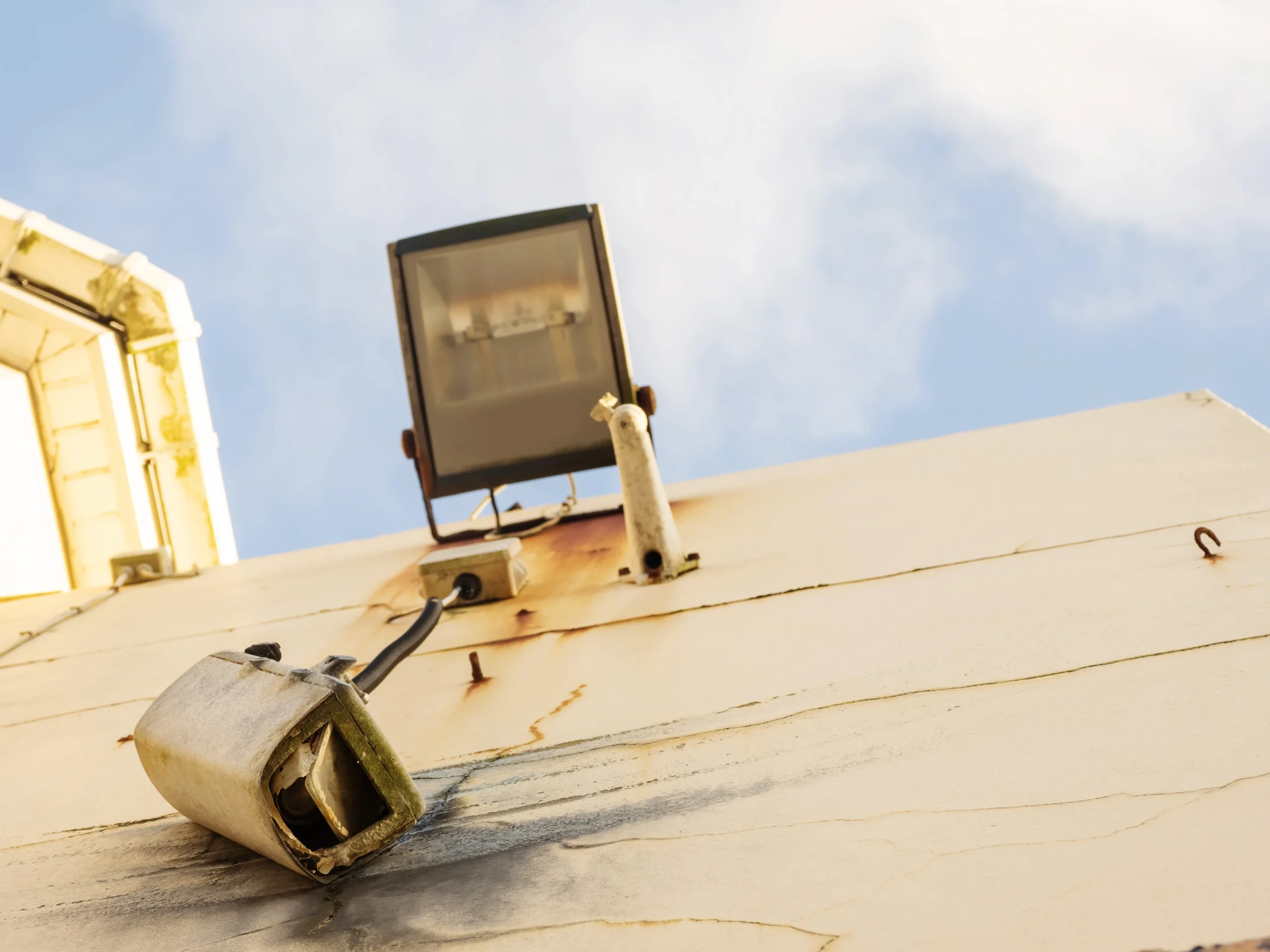
When people invest in a CCTV system, the focus is usually on what the cameras will capture, not what might happen to the cameras themselves.
Table of Contents
| Section | What You’ll Learn |
|---|---|
| Why CCTV Cameras Get Targeted in the First Place | Why security cameras can become vulnerable and what makes them a target. |
| What Happens If a CCTV Camera Is Damaged? | The risks, costs, and consequences of physical damage to your system. |
| What If a CCTV Camera Is Stolen? | What happens when a camera is removed and how it impacts your security. |
| How to Prevent CCTV Cameras from Being Damaged or Stolen | Practical steps to protect your cameras and reduce vulnerability. |
| Why Professional CCTV Installation Makes a Difference | How expert installation reduces risk and improves long-term reliability. |
| Does Insurance Cover CCTV Damage or Theft? | What insurers consider and how installation quality can affect claims. |
| Final Thoughts | A summary of how to protect your CCTV investment effectively. |
But it’s a valid concern.
What happens if someone damages your CCTV camera? Or worse, steals it entirely?
While CCTV is one of the most effective deterrents against crime, poorly installed or exposed systems can become vulnerable. Understanding these risks, and how to minimise them is essential for anyone considering CCTV installation, whether for a home or a business.
In this guide, we’ll walk through what actually happens in these situations and how to ensure your system remains reliable when you need it most.
Why CCTV Cameras Get Targeted in the First Place
It may seem counterintuitive, but in some cases, CCTV cameras can attract attention.
Experienced intruders understand that cameras are there to record evidence. If they can disable or remove them, they reduce the risk of being identified.
This is more likely to happen when:
- Cameras are installed at low, reachable heights
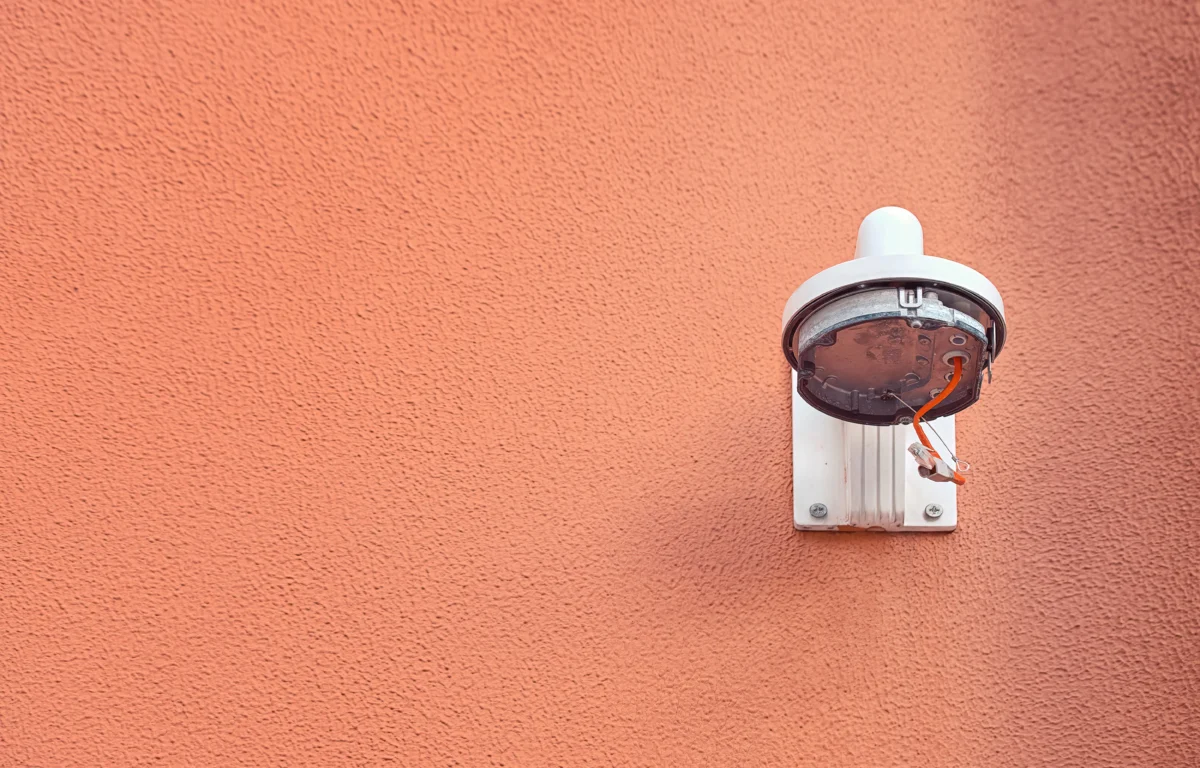
- Wiring is visible and easy to access
- Only one camera is covering a key area
- The system appears basic or poorly maintained
In these situations, the camera itself becomes a weak point rather than a strength.
What Happens If a CCTV Camera Is Damaged?
Damage can happen in several ways, from deliberate vandalism to accidental impact or even weather-related issues.
Immediate Loss of Coverage
The most obvious impact is the loss of visibility in that area. If the damaged camera was covering a key entry point, it can leave a significant blind spot.
Missed or Incomplete Footage
If damage occurs during an incident, you may lose critical footage. Even partial damage, such as a misaligned lens, can result in unusable recordings.
System Disruption
In some installations, particularly older or poorly configured ones, damage to a single camera can affect the wider system. This is especially true if wiring is exposed or not properly protected.
Repair or Replacement Costs
Even minor damage can require:
- Replacement parts
- Professional repair
- Full camera replacement
This adds unexpected cost, particularly if the system wasn’t designed with durability in mind.
What If a CCTV Camera Is Stolen?
While less common than damage, theft does happen, particularly with external cameras that are easily accessible.
If a camera is stolen, several issues arise:
Permanent Loss of Coverage
Unlike temporary damage, theft removes the camera entirely, leaving the area completely unmonitored.
Potential Loss of Footage
If your system stores footage locally (for example, on the camera itself or a nearby device), important recordings may be lost along with the camera.
However, modern systems with cloud or remote storage often retain footage even if the device is removed.
Indicator of System Weakness
A stolen camera usually highlights a flaw in installation, whether that’s poor positioning, lack of secure mounting, or insufficient coverage from other cameras.
How to Prevent CCTV Cameras from Being Damaged or Stolen
The good news is that most of these risks can be significantly reduced with the right approach.
Install Cameras at the Correct Height
Positioning is critical. Cameras should be:
- High enough to be out of easy reach
- Angled correctly to capture clear footage
- Still accessible for maintenance when needed
Use Vandal-Resistant Equipment
Modern CCTV systems often include:
- Reinforced housings
- Impact-resistant materials
- Tamper-proof designs
These are especially important for outdoor CCTV installation or commercial properties.
Protect and Conceal Wiring
Exposed wiring is one of the easiest ways for someone to disable a system.
Best practice includes:
- Running cables through walls or ceilings
- Using protective conduit
- Avoiding visible entry points
Create Overlapping Coverage
One of the most effective strategies is ensuring cameras cover each other.
This means:
- If one camera is approached, another captures it
- There are no single points of failure
- Activity is always recorded from multiple angles
Use Remote or Cloud Storage
This ensures footage is securely stored even if the physical device is damaged or stolen.
Many modern CCTV systems now offer:
- Secure cloud backups
- Remote access via mobile apps
- Automatic recording storage
Why Professional CCTV Installation Makes a Difference
This is where experience really matters.
As professional CCTV installers, we often see systems that have been installed with good intentions but lack the strategic planning needed for long-term reliability.
Common DIY issues include:
- Cameras placed too low or in vulnerable positions
- Poor mounting that makes removal easy
- Incorrect angles that reduce visibility
- Lack of system redundancy
A professional installation ensures:
- Cameras are placed with both visibility and security in mind
- Equipment is mounted securely and correctly
- Systems are designed to minimise risk if one component fails
It’s not about complexity, it’s about making sure the system works as it should.
Does Insurance Cover CCTV Damage or Theft?
In some cases, yes, but it depends on your policy.
Insurers may require:
- Evidence of forced damage
- Proper installation standards
- Approved or certified equipment
Without these, claims may be reduced or rejected.
This is another reason why a well-installed system can provide not just security, but also peace of mind.
Why Quality Equipment Matters
Not all CCTV systems are built the same.
Lower-cost cameras can:
- Be easier to damage
- Have weaker mounting systems
- Offer limited durability in outdoor conditions
Investing in reliable equipment ensures:
- Better long-term performance
- Reduced risk of damage
- More consistent footage quality
Final Thoughts
CCTV cameras are designed to protect your property, but they need protecting too.
Damage or theft doesn’t just result in financial loss. It can leave your home or business exposed at the worst possible time.
The key is prevention.
With thoughtful placement, secure installation, and the right equipment, your CCTV system can remain reliable, resilient, and effective, even in challenging conditions.
If you’re considering home CCTV or commercial security, taking the time to get it right from the start will ensure your system does what it’s meant to do: keep you protected when it matters most.
