

Table of Contents
| Section | What You’ll Learn |
|---|---|
| What Makes Property-Specific CCTV Planning Essential | Why every home needs a tailored CCTV setup based on its own layout, lighting and access points. |
| Where the Mismatch Happens in Real Installations | How copying a neighbour’s CCTV setup can create blind spots, poor angles and connectivity issues. |
| Why Getting It Wrong Costs More Than Money | The financial, insurance and security risks of installing the wrong CCTV system for your property. |
| Why Homeowners Miss These Critical Differences | Why similar-looking properties can have very different security needs and camera requirements. |
| How to Identify Your Property’s Unique Requirements | Practical steps to assess lighting, WiFi strength, entry points and insurance requirements. |
| How Professional Assessment Delivers Property-Specific Protection | How a professional site survey helps identify vulnerabilities and design the right CCTV setup. |
| The Cost of Getting It Right First Time | Why a properly planned system often costs less than fixing a copied installation later. |
| What Your Neighbour’s System Can’t Tell You | The hidden differences your neighbour’s CCTV setup can’t reveal about your own property. |
| Making the Right Decision for Your Property | How to choose a CCTV system designed around your actual layout, risks and security needs. |
Four cameras, clear footage, professionally installed. You’re thinking of getting exactly the same setup. After all, you live in similar properties on the same street. What could go wrong?
Quite a lot, actually. Over 60% of homeowners who install CCTV based on a neighbour’s recommendation discover critical blind spots within the first three months, often after an incident has already occurred. What works brilliantly for the semi-detached property next door can leave your detached home with a completely different layout vulnerable in ways you won’t spot until it’s too late.
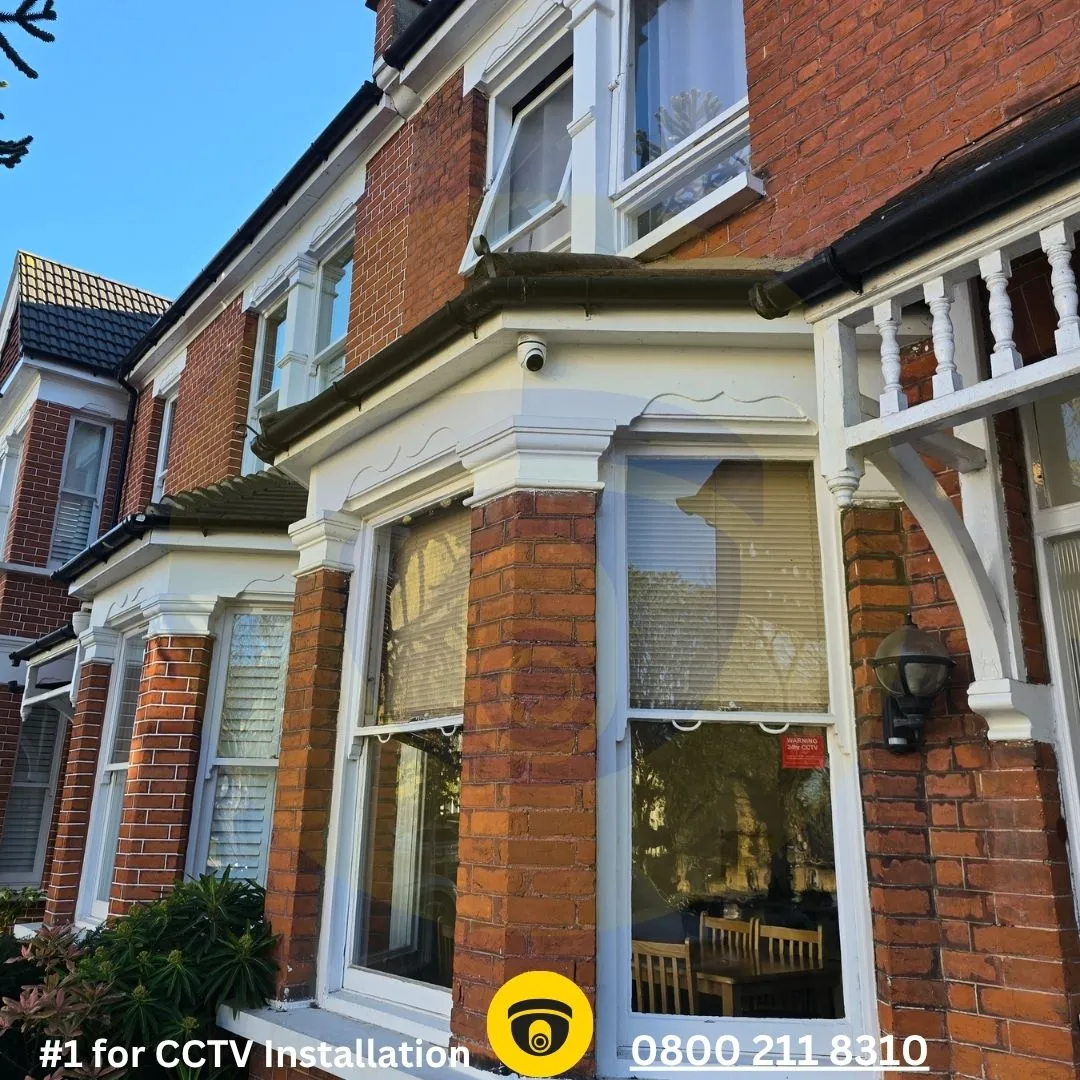
The cameras you can see are only part of the story. What you don’t see is the professional site survey that determined those exact positions, the WiFi assessment that checked connectivity, or the lighting analysis that ensured clear footage at dusk. Your neighbour’s property has different entry points, different light conditions, and different vulnerabilities to yours.
What Makes Property-Specific CCTV Planning Essential
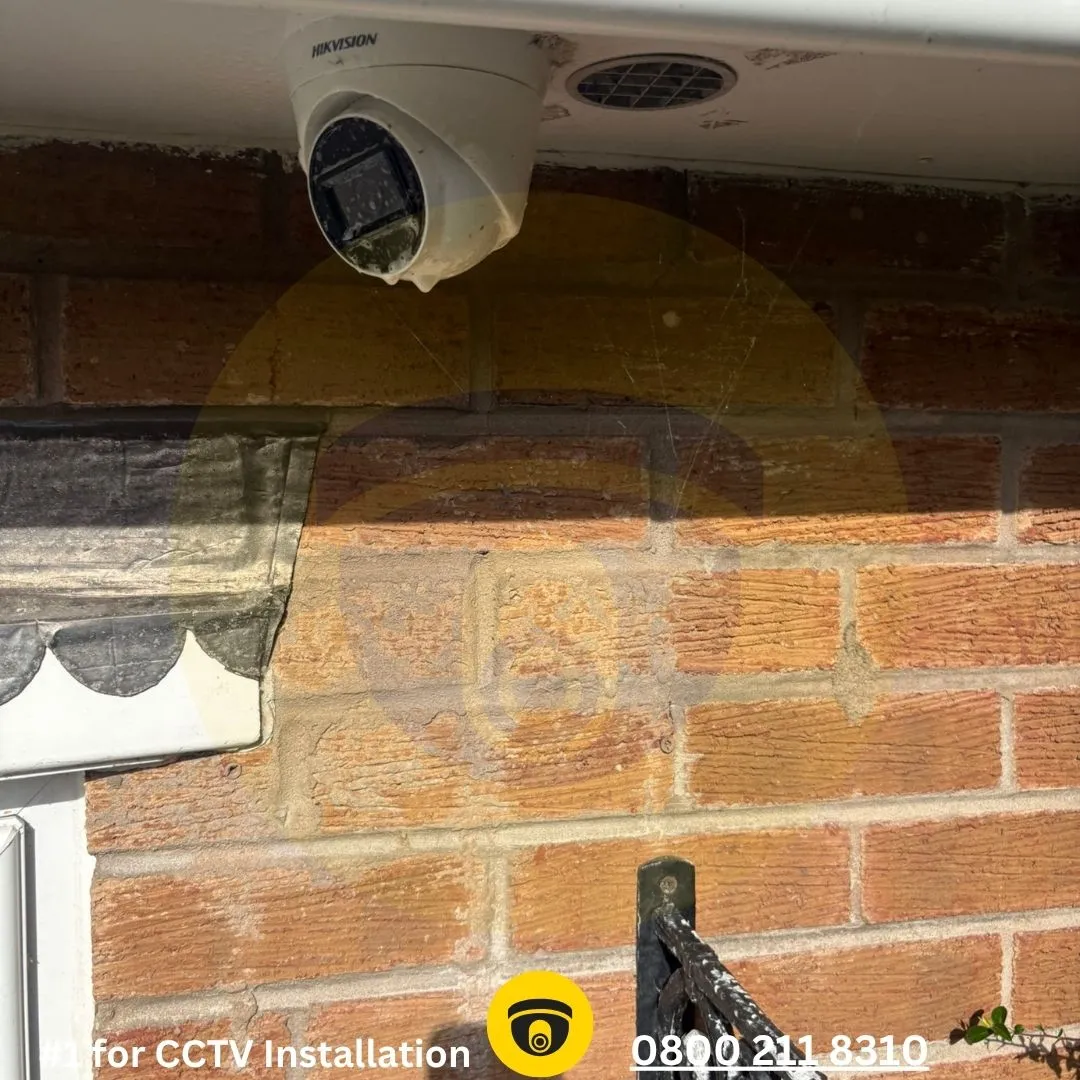
Property-specific CCTV planning means assessing your unique property layout, boundary positions, lighting conditions, WiFi coverage, and entry points to design a camera system that covers your vulnerabilities rather than replicating someone else’s setup.
Think about two houses on the same street. They might look identical from the front, but one has an additional side gate installed by a previous owner. The other has a porch extension that changes the camera angles completely. One has a mature tree that blocks light at certain times of day. The other faces south and suffers from glare during afternoon hours.
A proper assessment accounts for differences in building structure, garden orientation, street position, and even the direction of prevailing weather that affects camera performance. It maps WiFi signal strength at each proposed camera location. It considers where your router sits, where your electrical points are, and which areas become completely dark at dusk when most burglaries occur.
Where the Mismatch Happens in Real Installations
A homeowner in Coventry copied their neighbour’s four-camera setup but discovered their property has an additional side access the neighbour lacks, leaving it completely unwatched. The cameras covered the front drive and rear garden beautifully, but thieves simply walked through the unmonitored side passage.
Someone else replicated a front-facing camera position without realising their porch angle creates a completely different field of view, missing the driveway entirely. The camera captured nothing but brickwork whilst their car was broken into three metres away.
Another household installed identical cameras to next door but struggled with connectivity because their WiFi router sits in a different room, creating dead zones. The cameras kept dropping offline, leaving gaps in coverage during crucial hours. They spent £1,200 on equipment that worked perfectly in the neighbour’s house but failed in theirs.
Then there’s the lighting issue. A homeowner found their south-facing cameras suffered severe glare problems their north-facing neighbour never experiences. Every afternoon, the footage became unusable, washing out completely. By the time they realised, they’d already paid for professional installation and needed to start again with different camera specifications.
Why Getting It Wrong Costs More Than Money
Installing the wrong system means spending £800 to £2,000 on equipment that doesn’t protect your actual vulnerabilities, leaving you with false confidence whilst thieves exploit the blind spots you didn’t know existed.
That false confidence is dangerous. You believe your home is protected. You’ve invested in a reliable system. You see the cameras mounted exactly where your neighbour’s are. But when an incident occurs, your footage captures nothing useful because the camera angle doesn’t cover the entry point they used.
Insurance claims can be rejected if the footage doesn’t capture incidents due to poor camera positioning. Your insurer might require clear evidential footage showing the point of entry and the perpetrator’s face. If your cameras miss this because they were positioned for someone else’s property layout, you may find yourself facing unexpected costs and no payout.
You’ll need to spend again to rectify the system. Additional cameras to cover the blind spots. Repositioning of existing cameras. Possibly upgrading to different specifications if the wrong type was installed. The total cost often exceeds what a properly planned system would have cost initially.
There’s also a compliance issue. Non-compliant installations that record beyond your property boundary can result in complaints from neighbours or even ICO investigations under the current 2026 privacy regulations. Your neighbour’s cameras might be positioned legally for their boundary, but the same position on your property could capture next door’s garden or the pavement beyond what’s permitted. That leads to formal complaints, required adjustments, and potential fines.
Why Homeowners Miss These Critical Differences
Most people underestimate how much property layout differences affect camera coverage, assuming that similar-looking houses have identical security needs. Two Victorian terraces might have the same facade, but one has been extended at the rear, one has a loft conversion with accessible windows, and one has a different boundary fence position.
The visible cameras are the only part you see. You don’t know about the professional site survey your neighbour might have had, the WiFi assessment, or the lighting analysis that determined those positions. Perhaps they didn’t have one either. Perhaps they’re struggling with the same blind spots but haven’t mentioned it.
Neighbours rarely mention the problems they discovered after installation or the additional cameras they added later. When you ask how their system is working, they say it’s great. They don’t tell you about the side camera they added three months later, after realising the initial setup missed the gate. They don’t mention the connectivity problems they had until they installed a WiFi extender. This creates survivorship bias in recommendations.
You’re seeing the finished result after adjustments, not the original installation. You’re hearing about the successes, not the expensive lessons learned.
How to Identify Your Property’s Unique Requirements
Start by walking your property perimeter at dusk when most burglaries occur. Note which areas become poorly lit or completely dark. That well-lit front drive you see during the day might be pitch black at 7 pm in winter. The side gate you barely notice in daylight becomes invisible.
Check your WiFi signal strength at proposed camera locations using your smartphone. Open your WiFi settings and look at the signal bars at each corner of your property, by your back door, at your side gate. Identify where connectivity drops below reliable levels. A camera that works perfectly by your front door might struggle to maintain connection when mounted above your garage.
Map out all potential entry points, including side gates, back doors, and accessible windows that differ from neighbouring properties. Don’t just think about doors. Consider ground-floor windows that could be forced, flat roof areas that provide access to upper floors, fence panels that back onto alleyways. Your property’s vulnerabilities are unique to its structure and position.
Review your home insurance policy to understand what evidential coverage they require. This varies significantly between insurers, and your neighbour’s insurer may have different standards. Some require clear facial footage at entry points. Others specify coverage of specific high-value areas. Installing cameras without checking these requirements might leave you technically covered but practically unable to claim.
How Professional Assessment Delivers Property-Specific Protection
CCTV.co.uk conducts property-specific site surveys for every Coventry installation, assessing your unique layout, lighting conditions, and coverage requirements rather than applying template solutions.
The professional assessment starts with understanding your specific concerns. Which areas worry you most? Where do you keep valuables? How does your daily routine affect when the property is empty? This information shapes camera positioning to protect what matters to you, not what mattered to someone else.
The survey identifies blind spots specific to your property’s orientation and structure. An experienced installer will spot the side access you hadn’t considered, the window that’s accessible from the garage roof, the area where your boundary fence sits at a different angle to neighbouring properties. They’ll test WiFi connectivity, assess lighting at different times, and check sight lines from every proposed camera position.
This ensures compliance with 2026 privacy regulations whilst meeting your insurance requirements. The installer knows exactly where your property boundary sits and positions cameras to avoid capturing neighbouring properties or public areas beyond what’s legally permitted. They can advise on camera specifications that meet your insurer’s evidential standards.
A professional installation also considers future needs. Perhaps you’re planning a garden office that will need monitoring. Perhaps there’s a possibility of a rear extension. These factors influence camera positioning and system specification to avoid costly adjustments later.
You’ll receive a system designed for your property’s actual layout, not an assumption based on what worked elsewhere. That might mean five cameras instead of four to cover your additional access point. It might mean different camera specifications to handle your south-facing glare problem. It might mean strategically positioned WiFi extenders to ensure reliable connectivity throughout your property.
The Cost of Getting It Right First Time
A properly planned system costs less overall than fixing a copied installation that doesn’t work. When you factor in the additional cameras needed to cover missed blind spots, the repositioning costs, the upgraded specifications to handle conditions you didn’t anticipate, and the peace of mind lost during the months when your system wasn’t actually protecting you, professional planning delivers better value.
You’re not paying for unnecessary equipment. Every camera has a specific purpose, covering a specific vulnerability on your property. You’re not paying twice to fix mistakes. The system works from day one because it was designed for your property, not adapted from someone else’s.
Your insurance premiums might reduce with a professionally installed system that meets their evidential requirements. Many insurers offer discounts for certified CCTV installations but won’t apply them to DIY or copied systems that don’t meet their standards. Over five years, that premium reduction can offset a significant portion of the installation cost.
Most importantly, you get actual protection rather than the appearance of protection. Your home is genuinely monitored. The blind spots are covered. The footage will be usable if you ever need it. That’s what you’re paying for when you invest in professional CCTV installation.
What Your Neighbour’s System Can’t Tell You
Your neighbour’s cameras can’t tell you where their WiFi router is positioned. They can’t tell you which areas of their property worry them most. They can’t tell you what their insurance policy requires or what adjustments they made after the initial installation.
They definitely can’t tell you about the differences between your properties. The mature tree that shades your side passage but not theirs. The street light that illuminates their front drive but sits at an angle that leaves yours darker. The fence panel that sits half a metre further from your wall, creating a gap their property doesn’t have.
Every property has a unique security profile shaped by its structure, position, lighting, access points, and vulnerabilities. A system designed for one profile won’t automatically work for another, even when the properties look identical from the street.
Making the Right Decision for Your Property
The best CCTV system for your property is one designed specifically for your layout, vulnerabilities, and requirements. Not a copy of what works elsewhere. Not a template solution. A system that addresses your actual security needs based on a professional assessment of your unique property.
That starts with understanding what makes your property different. Walking the perimeter at dusk. Checking WiFi coverage. Mapping entry points. Reviewing insurance requirements. These simple steps reveal why copying a neighbour’s setup won’t give you the protection you need.
Then it requires professional input from installers who assess properties individually rather than applying standard configurations. Someone who will identify your blind spots, test your connectivity, consider your lighting, and design a system that actually protects your home.
Contact CCTV.co.uk for a professional site survey that identifies your property’s unique security needs and delivers a system that actually protects your home. Don’t wait until an incident reveals the blind spots. Get it right from the start with a system designed for your property, not someone else’s.
