

Table of Contents
| Section | What You’ll Learn |
|---|---|
| The Front Door | Learn why front doors are a common entry point for intruders and which security measures can help strengthen doors, locks and letterboxes. |
| The Back Door and Side Passages | Understand why less-visible rear entrances and side passages can attract intruders and how locks, gates and lighting can improve security. |
| Ground-Floor and Easily Accessible Windows | Discover common weaknesses around accessible windows and practical steps that can reduce opportunities for unauthorised entry. |
| Garages and Sheds | Learn why garages and sheds can create additional security risks and how stronger locks and internal door security can help protect your property. |
| Conservatories and Patio or Bifold Doors | Understand the potential vulnerabilities of large glazed doors and conservatories and the measures that can improve their security. |
| How CCTV Fits Into a Layered Security Approach | Learn how CCTV can work alongside stronger locks and lighting to monitor important entry points and provide a more complete security approach. |
| Common Questions About Break-Ins | Find answers to common questions about how break-ins happen, when properties may be targeted and the measures that can help reduce risk. |
| Get Every Entry Point Covered | Find out how a professional site survey can identify vulnerable entry points and determine suitable CCTV camera positions for your property. |
In reality, the vast majority of intruders use the same handful of entry points for break-ins every time: an unlocked door, a weak lock, or a window left ajar. Police crime-prevention guidance and insurers who deal with burglary claims every week consistently point to the same weak spots, which means the same handful of fixes cover most of the risk.
Whether you are protecting a family home or a business premises, understanding where intruders actually get in is the first step to closing those gaps properly.
The Front Door
The front door is used far more often than most people expect, usually because it is easier than it looks. Weak door frames, cheap cylinder locks that can be snapped in seconds, and letterboxes positioned close enough to a lock to allow “letterbox fishing” for keys are all common weaknesses.
How to secure it: Fit a British Standard five-lever mortice lock or a high-security anti-snap cylinder, reinforce the door frame, and consider a letterbox restrictor or cage if the letterbox sits near an internal lock or key.
The Back Door and Side Passages
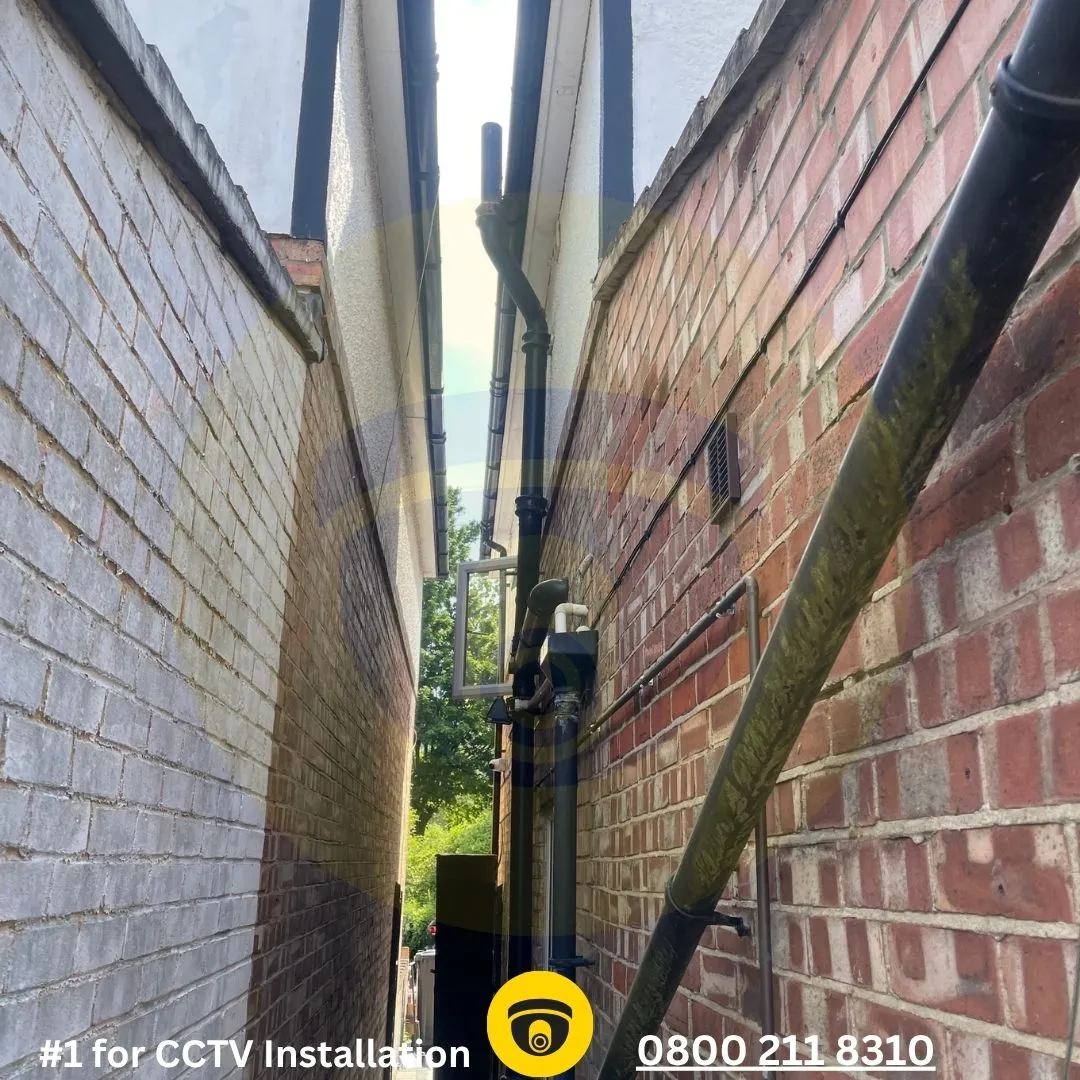
Back doors and side gates get far less foot traffic and far less attention, which is exactly why they are attractive. A side passage that is not overlooked by neighbours or the street gives an intruder time and privacy that a front approach does not.
How to secure it: Match the same lock standard used on the front door, add a lockable side gate to control access to the rear of the property altogether, and improve visibility with sensor lighting so anyone working at the back door after dark is lit up rather than hidden.
Ground-Floor and Easily Accessible Windows
Ground-floor windows, especially those hidden from the street by hedges, fences, or extensions, are a common target. Older single-glazed windows with basic catches are particularly vulnerable, and windows left on the latch for ventilation are an easy way in even when the rest of the property is secure.
How to secure it: Fit key-operated window locks on every ground-floor and easily accessible window, trim back hedges and shrubs that create hiding spots, and avoid leaving windows on the latch when a property is unoccupied.
Garages and Sheds
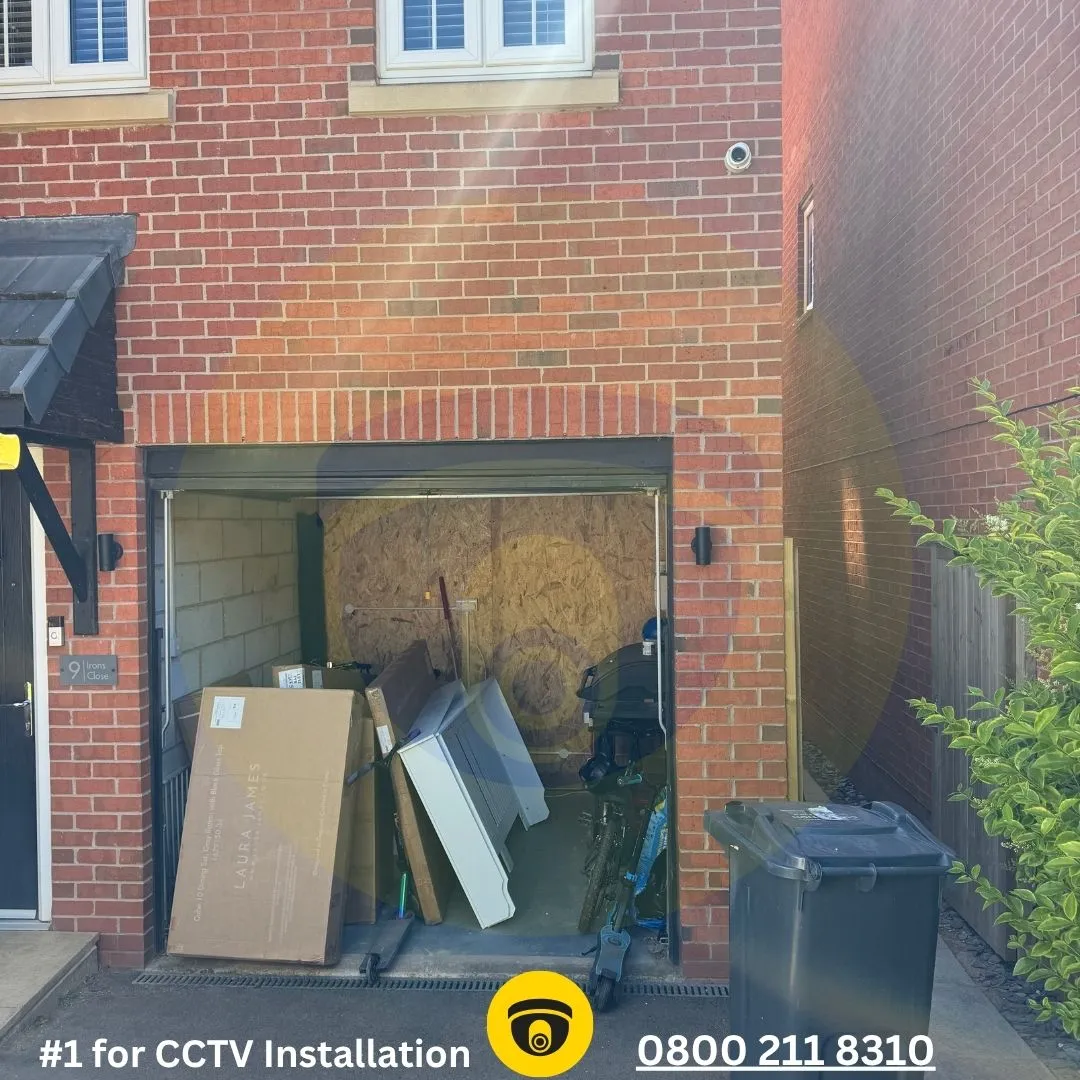
Garages and sheds are often treated as an afterthought, but an integral garage frequently has an internal door straight into the house, and a shed can store tools that make breaking into the main property far easier. Up-and-over garage doors with basic locking mechanisms are a known weak point.
How to secure it: Upgrade garage door locks to a defender-style lock or a garage door deadlock, treat any internal door between a garage and the house as seriously as a front door, and keep sheds locked with a closed-shackle padlock rather than a basic hasp and staple.
Conservatories and Patio or Bifold Doors
Conservatories and large glazed doors have grown in popularity, and so has their use as an entry point. Older or budget uPVC patio doors can sometimes be lifted off their tracks, and multi-point locking systems are not always engaged properly by occupants day to day.
How to secure it: Check that multi-point locks are used every time the doors are closed, not just at night, add anti-lift devices to sliding doors, and consider laminated or toughened glass on any large glazed area at ground level.
How CCTV Fits Into a Layered Security Approach
Better locks and lighting reduce opportunity. CCTV adds visibility and deterrence, and it works best when cameras are positioned to actually cover the entry points above rather than scattered around a property for general reassurance. A camera aimed at a front door, a second covering the rear access route, and coverage of any garage or side gate closes the gap between “secured” and “monitored.”
This is where professional installation earns its cost. cctv.co.uk‘s engineers assess blind spots, lighting conditions, and the specific entry points of a property or business before recommending camera positions, rather than fitting a generic kit and hoping it covers the right angles.
Common Questions About Break-Ins
How do burglars usually break in?
Most commonly through an unlocked or poorly secured door or window, rather than by force. Forced entry does happen, but the quieter route is more common and often goes unnoticed until it is too late.
Do burglars break in when people are home?
It happens, though most intruders prefer an empty property and will often knock first or watch for signs of activity before attempting entry. This is one of the reasons visible security measures, including CCTV, act as a deterrent before anyone gets close to a door or window.
What time do burglars usually break in?
Break-ins happen throughout the day, not just at night. Daytime hours when a property is likely to be empty, such as when residents are at work or school, are just as commonly targeted as darkness.
How can I prevent burglars from breaking in?
Combine strong locks on every external door and window, good lighting around entry points, visible signage, and a CCTV system that actually covers those access points rather than just the front of the property.
Get Every Entry Point Covered
A no-obligation site survey from cctv.co.uk will identify the specific entry points on your property or business and recommend camera positions to cover them properly.
