

Table of Contents
| Section | What You’ll Learn |
|---|---|
| Does GDPR Apply to CCTV? | Understand when commercial CCTV falls under UK GDPR and why businesses have legal responsibilities. |
| Why Businesses Use CCTV | Learn the legitimate reasons businesses install CCTV and how these support compliance. |
| The Most Common GDPR Mistakes | Discover the compliance issues businesses most frequently overlook. |
| How to Stay Compliant | Practical steps to help ensure your CCTV system follows current guidance. |
| Why Professional CCTV Installation Matters | How experienced installers can help businesses avoid common compliance issues. |
| Final Thoughts | A summary of the key steps every business should take when installing CCTV. |
Whether you’re running a retail shop, warehouse, office, school or industrial site, a well-designed CCTV system can deter crime, provide valuable evidence and improve day-to-day security.
However, installing cameras also comes with responsibilities.
Many business owners are surprised to learn that CCTV footage often falls under UK GDPR and the Data Protection Act 2018 because it records identifiable individuals.
The good news is that complying with the rules isn’t about avoiding CCTV altogether. It’s about using it fairly, transparently and responsibly.
As commercial CCTV installers, we’ve found that businesses don’t usually fall foul of the regulations because they’ve done something deliberately wrong. More often, it’s because they weren’t aware of the small details that matter.
In this guide, we’ll explain what businesses need to know about CCTV and GDPR, common mistakes to avoid, and how to ensure your system supports both security and compliance.
Does GDPR Apply to CCTV?
In many cases, yes.
If your CCTV system captures images of people who can be identified, whether that’s employees, customers, contractors or visitors, those recordings are considered personal data.
That means businesses have responsibilities under UK GDPR and the Data Protection Act 2018.
This doesn’t mean you can’t install CCTV. It simply means you need to ensure you’re collecting and managing footage responsibly.
For most organisations, the lawful basis for CCTV is legitimate interests. This means you have a genuine reason for recording footage, such as protecting people, preventing crime or safeguarding property.
The important point is that your use of CCTV should always be proportionate to the risk you’re trying to manage.
Why Businesses Use CCTV
Commercial CCTV serves many valuable purposes beyond simply recording incidents.
Businesses commonly install CCTV to:
- Prevent theft and vandalism
- Protect staff and visitors
- Improve workplace safety
- Monitor deliveries and access points
- Assist police investigations
- Support insurance claims
These are all legitimate reasons for operating a business CCTV system.
The key is ensuring cameras are installed to achieve these objectives without recording more information than necessary.
For example, cameras monitoring an entrance are usually easier to justify than cameras continuously monitoring staff break rooms.
The Most Common GDPR Mistakes
In our experience, businesses rarely get into difficulty because they have CCTV.
Problems usually arise because the system hasn’t been managed properly.
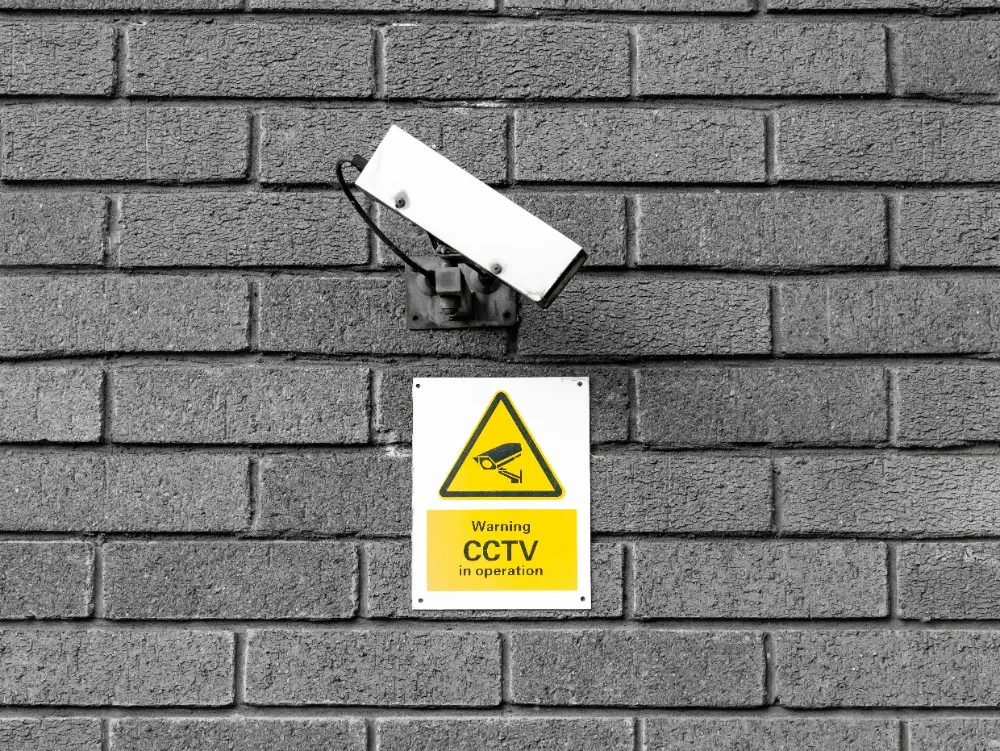
Not Displaying Clear Signage
People should know when CCTV is operating.
Signs should explain:
- CCTV is in use
- Who operates the system
- How people can request further information
Clear signage helps demonstrate transparency and builds trust.
Keeping Footage for Too Long
One of the most common questions businesses ask is:
“How long should we keep CCTV footage?”
There isn’t a single legal timeframe.
Instead, businesses should retain footage only for as long as it’s genuinely needed.
Many organisations keep recordings for around 30 days unless footage is required for an ongoing investigation.
Allowing Too Many People to Access Footage
Not everyone in the business needs access to CCTV recordings.
Restrict access to authorised individuals and keep records of who can view footage where appropriate.
Recording Areas That Don’t Need Monitoring
Camera placement matters.
Businesses should avoid unnecessarily recording:
- Neighbouring properties
- Public areas beyond the business premises
- Private staff facilities
Good positioning protects privacy while still providing effective security.
How to Stay Compliant
Fortunately, GDPR compliance doesn’t have to be complicated.
Good practice includes:
Have a Clear Purpose
Before installing CCTV, ask:
“Why do we need cameras?”
Your answer should be specific and proportionate.
Carry Out Regular Reviews
Business operations change.
Review camera positions and retention periods periodically to ensure they remain appropriate.
Keep Systems Secure
CCTV footage should be protected just like any other sensitive business information.
This includes:
- Strong passwords
- Software updates
- Secure storage
- Controlled user access
Document Your Decisions
Keeping simple records of why cameras have been installed and how footage is managed can demonstrate accountability if questions arise.
Why Professional CCTV Installation Matters
Installing business CCTV involves far more than mounting cameras.
Professional installers consider:
- Camera positioning
- Coverage
- Privacy considerations
- Image quality
- Secure configuration
- Future scalability
An experienced installer can also highlight areas where camera placement may unintentionally capture more than intended, helping businesses avoid problems before they occur.
Ultimately, good installation supports both effective security and good compliance.
Final Thoughts
CCTV and GDPR shouldn’t be viewed as competing priorities.
A well-planned commercial CCTV system can protect your business whilst respecting the privacy of employees, customers and visitors.
For most businesses, compliance comes down to common sense.
Be clear about why you’re using CCTV, install cameras responsibly, protect the footage you collect and review your system regularly.
By following these principles, your CCTV system can provide valuable protection for years to come while supporting your wider legal responsibilities.
