

CCTV for Shops
Retail CCTV Cameras, Shop Security Systems & Installation Across the UK
Protecting your shop, stock, staff and customers is a priority for every retail business. Commercial CCTV for shops helps deter theft, reduce shrinkage, monitor customer activity, support staff safety and provide clear evidence if incidents occur.
At CCTV.co.uk, we provide professional shop CCTV cameras, retail CCTV installation and tailored CCTV installation for shops, convenience stores, supermarkets, pharmacies, clothing stores, off-licences, petrol stations and high-street retailers across the UK.
Whether you need a new retail CCTV system, an upgrade to your existing cameras, CCTV repairs, remote viewing on your mobile phone, or advice on the best CCTV cameras for your shop, our team can help design a system suited to your store layout, risk level and budget.
Free Quote within 24 hours
CCTV and Retail Security
Retail businesses face a range of security challenges, including shoplifting, stock loss, staff abuse, vandalism, break-ins and false claims. A professionally installed CCTV system can help shops monitor key areas, deter criminal activity and provide reliable video evidence when needed.
CCTV cameras can be used to cover entrances, tills, aisles, stockrooms, delivery areas and external doors. For many shop owners, CCTV forms part of a wider security plan that may also include intruder alarms, access control, security lighting and remote monitoring.
When installed correctly and used responsibly, CCTV can improve both security and day-to-day management within a retail environment.
Why Shops Use CCTV Systems
Installing CCTV in shops is one of the most effective ways to improve security and reduce risk.
Reducing Shoplifting and Stock Loss
Visible CCTV cameras help deter opportunistic theft and can provide evidence if items are stolen. Clear footage can assist with identifying incidents, reviewing customer behaviour and supporting police reports where required.
Report a crime → https://www.gov.uk/report-crime
Protecting Staff and Customers
Retail staff can sometimes face abuse, threats or aggressive behaviour. CCTV provides an added layer of protection by recording incidents and helping managers understand what happened.
Violence at work guidance → https://www.hse.gov.uk/violence/
Monitoring Tills and Payment Areas
Cameras positioned near tills, self-checkout areas and payment counters can help monitor transactions, reduce disputes and support investigations into cash handling issues.
Protecting Stockrooms and Deliveries
Stockrooms, rear doors and delivery areas are common risk points for internal and external theft. CCTV helps monitor goods coming in and out of the premises.
Out-of-Hours Security
CCTV can help protect your shop outside opening hours by recording break-ins, vandalism, attempted forced entry and suspicious activity around the building.
Remote Viewing for Shop Owners
Modern CCTV systems allow authorised users to view live and recorded footage from a mobile phone, tablet or computer. This is useful for shop owners and managers who operate multiple sites or cannot always be on the premises.
Shop CCTV Camera Locations
A professional retail CCTV setup should cover the most important security areas while respecting customer and staff privacy.
Indoor Shop CCTV Locations
Common indoor camera locations include:
- Shop entrances and exits
- Till and payment areas
- Main aisles
- High-value product displays
- Self-checkout areas
- Stockrooms
- Staff-only areas
- Delivery access points
- Customer service desks
- Queueing areas
Outdoor Shop CCTV Locations
Outdoor CCTV helps protect the building and monitor activity around the premises.
Typical outdoor coverage includes:
- Shopfronts
- Roller shutters
- Car parks
- Rear doors
- Loading bays
- Waste areas
- Alleyways
- External stock storage areas
- Perimeter walls and gates
Areas Where CCTV Should Be Avoided
CCTV should not be installed in private areas such as toilets, changing rooms or areas where people would reasonably expect privacy. Camera placement should be planned carefully to provide useful coverage without being excessive.
Video surveillance guidance → https://ico.org.uk/for-organisations/uk-gdpr-guidance-and-resources/cctv-and-video-surveillance/]

Wireless CCTV for Shops vs Wired CCTV Systems
Many shop owners consider wireless CCTV or Wi-Fi cameras, but the best option depends on the size of the shop, the building layout and how reliable the system needs to be.
Wired CCTV Systems
Wired CCTV systems are usually the most reliable option for shops because they provide stable video quality, continuous recording and fewer connection issues.
Benefits include:
- Reliable connection
- High-quality video footage
- Better for multiple cameras
- Suitable for busy retail environments
- Less dependent on Wi-Fi signal strength
- Ideal for long-term commercial use
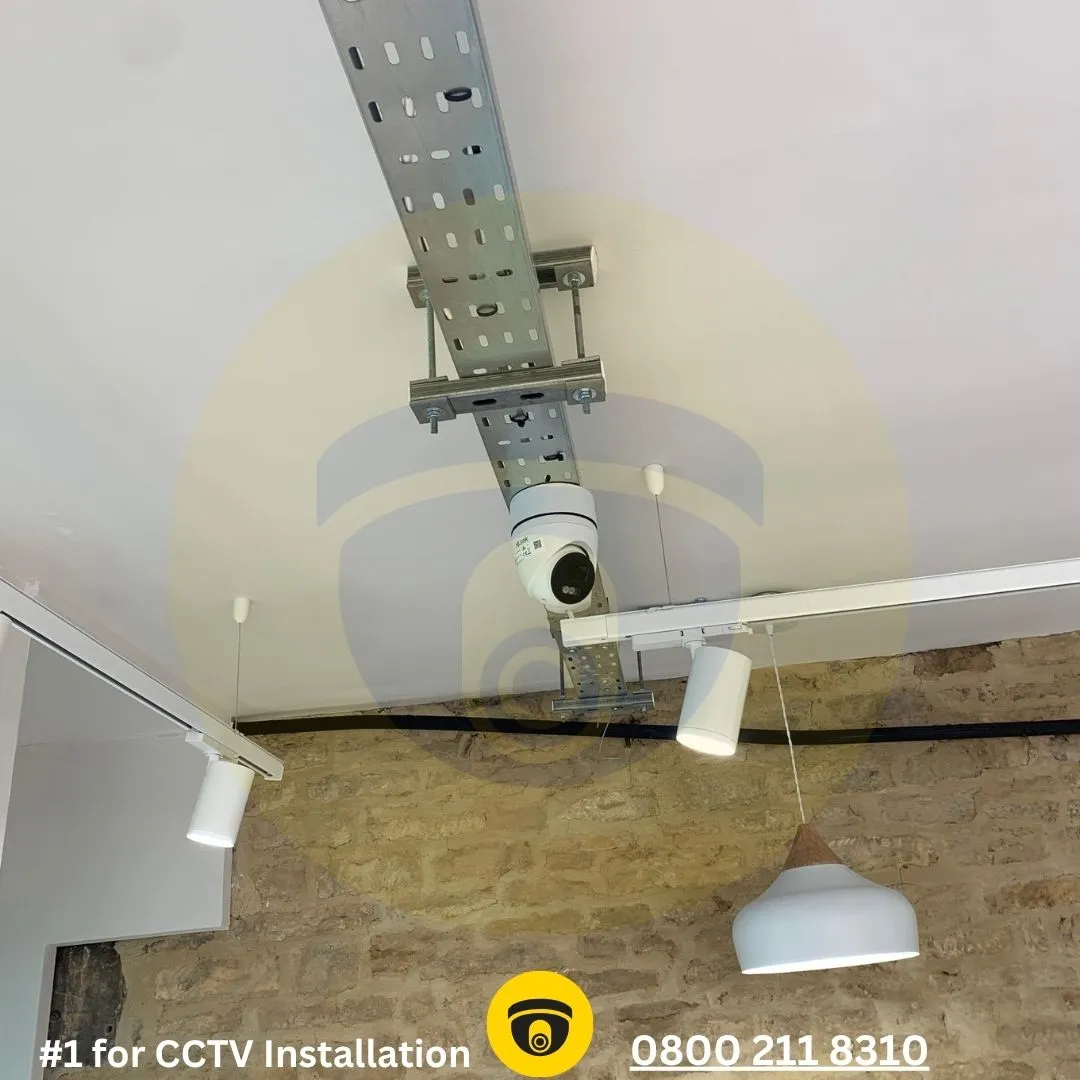
For most shops, a professionally installed wired IP CCTV system connected to an NVR is the best long-term option.
Wireless and Smart CCTV Cameras
Wireless CCTV cameras can be useful for small shops, temporary setups or locations where cabling is difficult. However, they rely on Wi-Fi strength and may not be suitable for every retail environment.
Features may include:
- Mobile app viewing
- Motion alerts
- Cloud storage options
- Two-way audio on selected cameras
- Quick installation
Wireless cameras can work well in smaller retail units, but larger shops usually benefit from a wired CCTV system.
Remote Viewing and Smart CCTV for Nurseries
Modern shop CCTV systems can be viewed remotely using secure mobile apps or desktop software.
Mobile App Access
Shop owners and managers can view cameras from a smartphone, check live footage and review recordings when away from the premises.
Multi-Site Retail Monitoring
If you operate more than one shop, CCTV systems can be set up so authorised users can monitor multiple locations from one app or platform.
Smart Detection
Modern CCTV cameras can include smart detection features such as:
- Human detection
- Vehicle detection
- Line crossing detection
- Intrusion detection
- Motion alerts
- Smart search for recorded footage
These features can help reduce the time spent reviewing footage and make it easier to find important events.
Secure Access Controls
Remote viewing should be configured securely. Access should only be given to authorised users, with strong passwords and appropriate permission levels.
CCTV Compliance for Shops in the UK
Shops using CCTV must ensure the system is used responsibly and in line with UK data protection rules.
CCTV Signage for Shops
Retail businesses should display clear CCTV signs so customers, staff and visitors know that recording is taking place. Signs should be visible, easy to understand and positioned where people can see them before or as they enter monitored areas.
CCTV Privacy and Data Protection
CCTV footage can count as personal data if individuals can be identified. Shop owners should consider:
- Why CCTV is being used
- Where cameras are positioned
- How long footage is stored
- Who can access the footage
- How footage is protected
- How requests for footage will be handled
- Whether the business needs to register with the ICO and pay the data protection fee
Staff CCTV Monitoring
If CCTV covers staff working areas, employees should be informed. CCTV should be used for legitimate security, safety and business reasons, not excessive monitoring.
Sharing CCTV Footage
CCTV footage should only be shared where there is a lawful and appropriate reason, such as with the police, insurers or authorised parties dealing with an incident. Publicly sharing images of suspected shoplifters should be approached carefully, as this may create data protection risks.

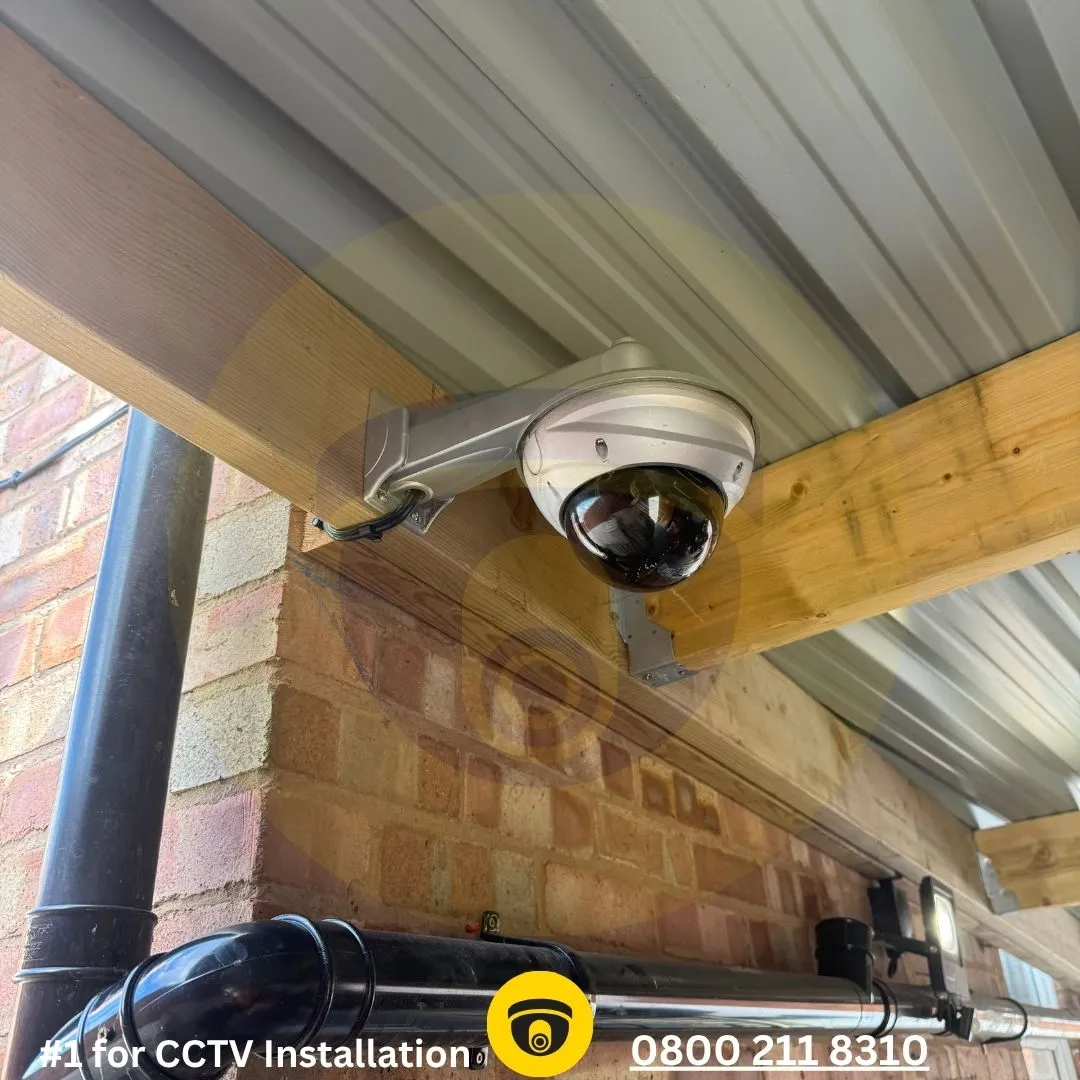
CCTV Installation for Shops
Professional CCTV installation helps ensure your cameras are positioned correctly, the system records properly and remote access is configured securely.
Professional Shop CCTV Setup
Some childcare providers choose childcare CCTV kits for self-installation, although professional installation often provides more reliable results.
CCTV Installation and Support Across the UK
A professional installation typically includes:
- Site survey and advice
- Camera placement plan
- Cable routing
- Camera installation
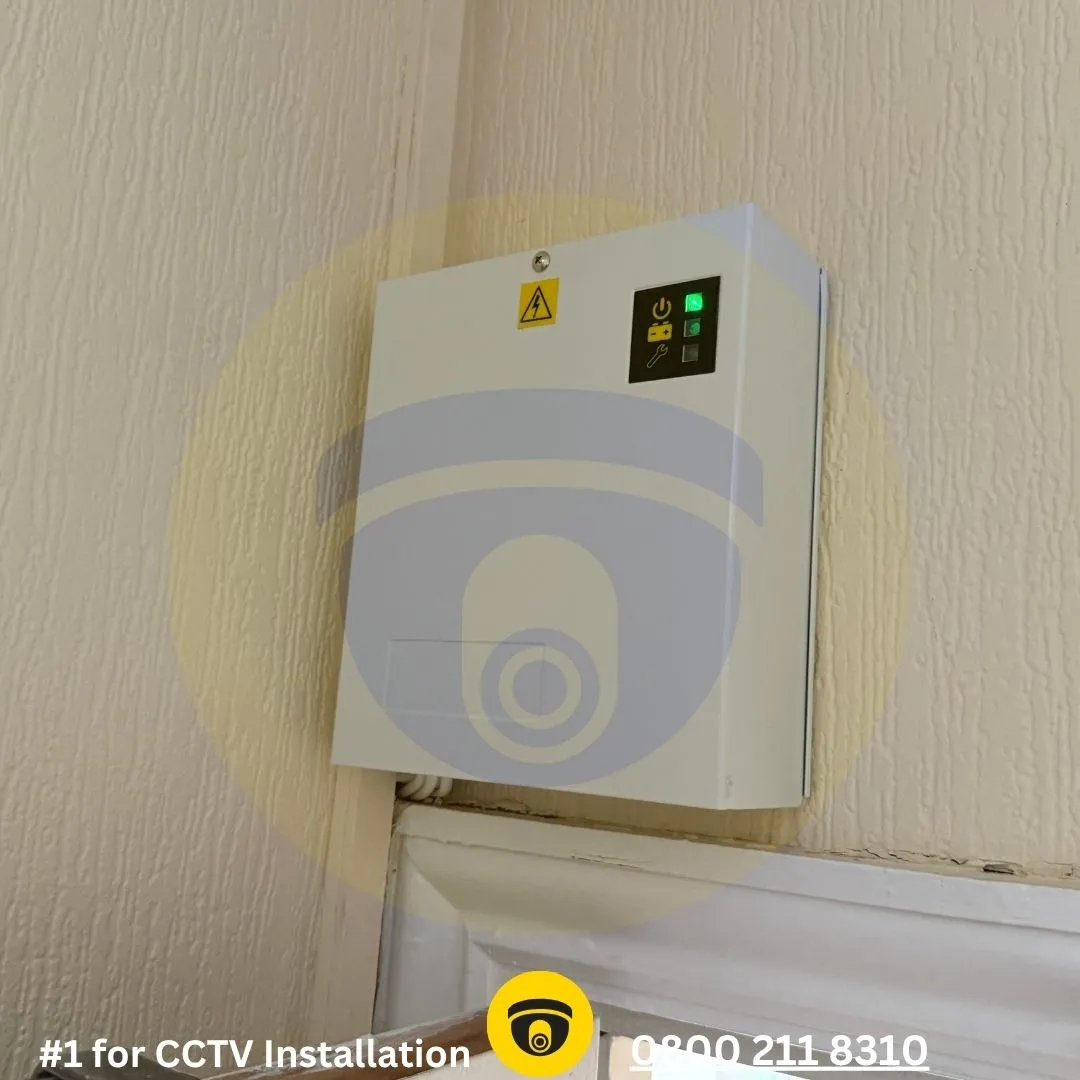
- NVR/DVR setup
- Mobile app configuration
- Recording schedule setup
- User training
- Testing and handover
Local Shop CCTV Fitters
Our network can help arrange CCTV installation for shops across the UK. Whether you run a small independent shop or a larger retail unit, we can help you find a suitable solution.
CCTV Upgrades for Shops
If your existing CCTV system is outdated, we can help with upgrades and replacements, including:
- Replacing old analogue cameras
- Upgrading to HD or IP CCTV
- Adding more cameras
- Improving night vision
- Increasing recording storage
- Setting up remote viewing
- Replacing faulty DVRs or NVRs
CCTV Repairs and Servicing for Shops
Retail CCTV systems should be maintained to ensure they continue recording correctly. We can help with CCTV repairs, servicing and system health checks.
Services include:
- Camera fault diagnosis
- Recorder replacement
- Hard drive replacement
- Remote viewing issues
- Poor image quality fixes
- Camera realignment
- System maintenance
- CCTV servicing
Get a Quote for Shop CCTV

If you are considering CCTV for your shop, our team can help you choose the right cameras and system layout.
Whether you need a small 2-camera shop CCTV system, a full retail security camera setup, or an upgrade to your existing CCTV, we can help.
Choosing the Best CCTV for Shops
When selecting a CCTV system for a shop, consider image quality, reliability, storage time, camera positions and ease of use.
High-Quality Shop CCTV Features
Important features may include:
- High definition cameras
- Wide-angle coverage
- Clear facial detail at entrances
- Good low-light performance
- Secure recording system
- Remote viewing access
- Smart motion detection
- Audio recording where appropriate
- Sufficient storage capacity
- Easy footage playback
Affordable CCTV for Retail Premises
Many shop owners want an affordable CCTV system that balances cost with reliability. The cheapest system is not always the best option if it does not capture clear images or record consistently.
A well-designed system should provide useful footage, reliable recording and long-term performance.
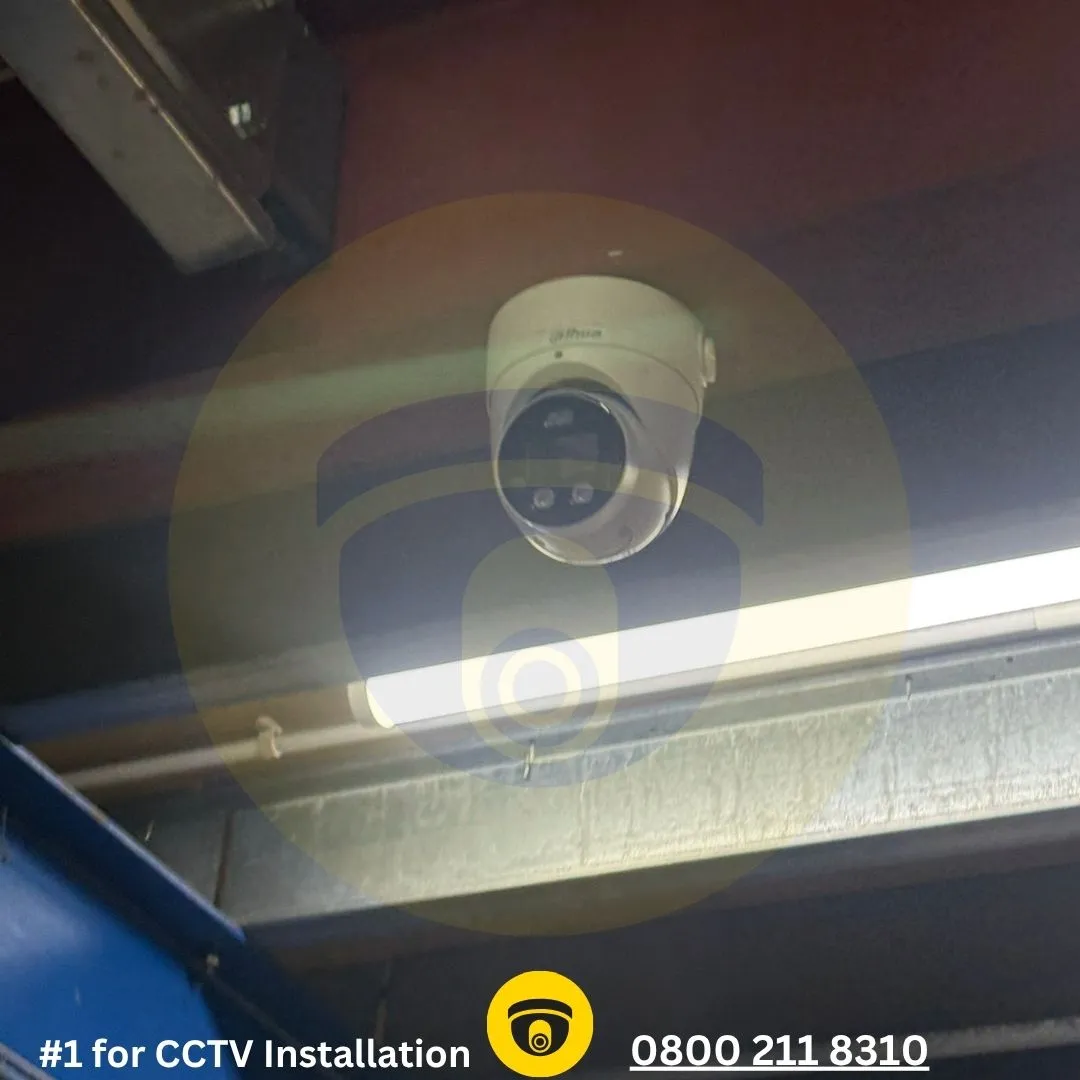
Compare Shop CCTV Systems
If you are comparing CCTV systems for shops, consider:
- Number of rooms and entrances
- Indoor vs outdoor cameras
- Wired or wireless setup
- Camera resolution
- Night vision quality
- Storage capacity
- Remote viewing options
- Smart detection features
- Installation cost
- Ongoing maintenance
These factors help determine the best CCTV system for your shop based on the size and layout of your premises.
For more information about our professional and friendly CCTV installation service, please call 0800 211 8310 today for a free quote.
CCTV for Shops Cost Guide
The cost of installing CCTV in a shop depends on the size of the premises, number of cameras, system type and installation requirements.
Typical Shop CCTV System Prices
| Nursery Size | Cameras | Estimated Cost |
|---|---|---|
| Small shop | 2–4 cameras | £500 – £1,200 |
| Medium shop | 4–8 cameras | £1,000 – £2,500 |
| Large retail premises | 8–16 cameras | £2,000 – £5,000 |
| Multi-site retail | 16+ cameras | Quoted individually |
Factors affecting price include:
- building size
- Number of entrances
- Camera resolution
- Indoor and outdoor coverage
- Cabling requirements
- Recording storage
- Remote viewing setup
- Night vision requirements
- Smart detection features
Best CCTV Cameras for Shops
Choosing the right CCTV cameras is important for capturing clear footage in a retail environment. Shops often require a mix of indoor cameras, outdoor cameras and cameras positioned near entrances and tills.
Below are some of the most common types of cameras used in shops CCTV systems.
Dome CCTV Cameras
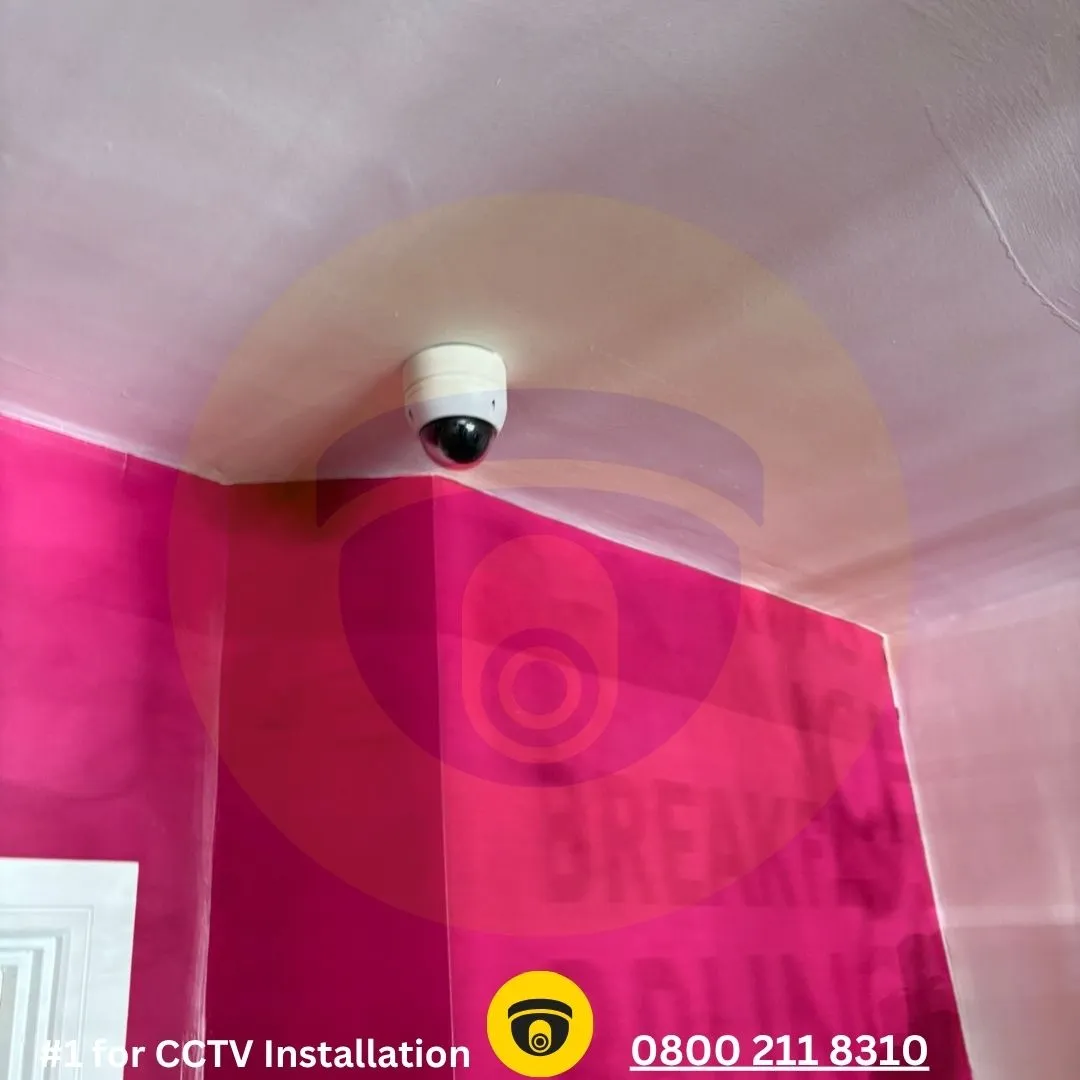
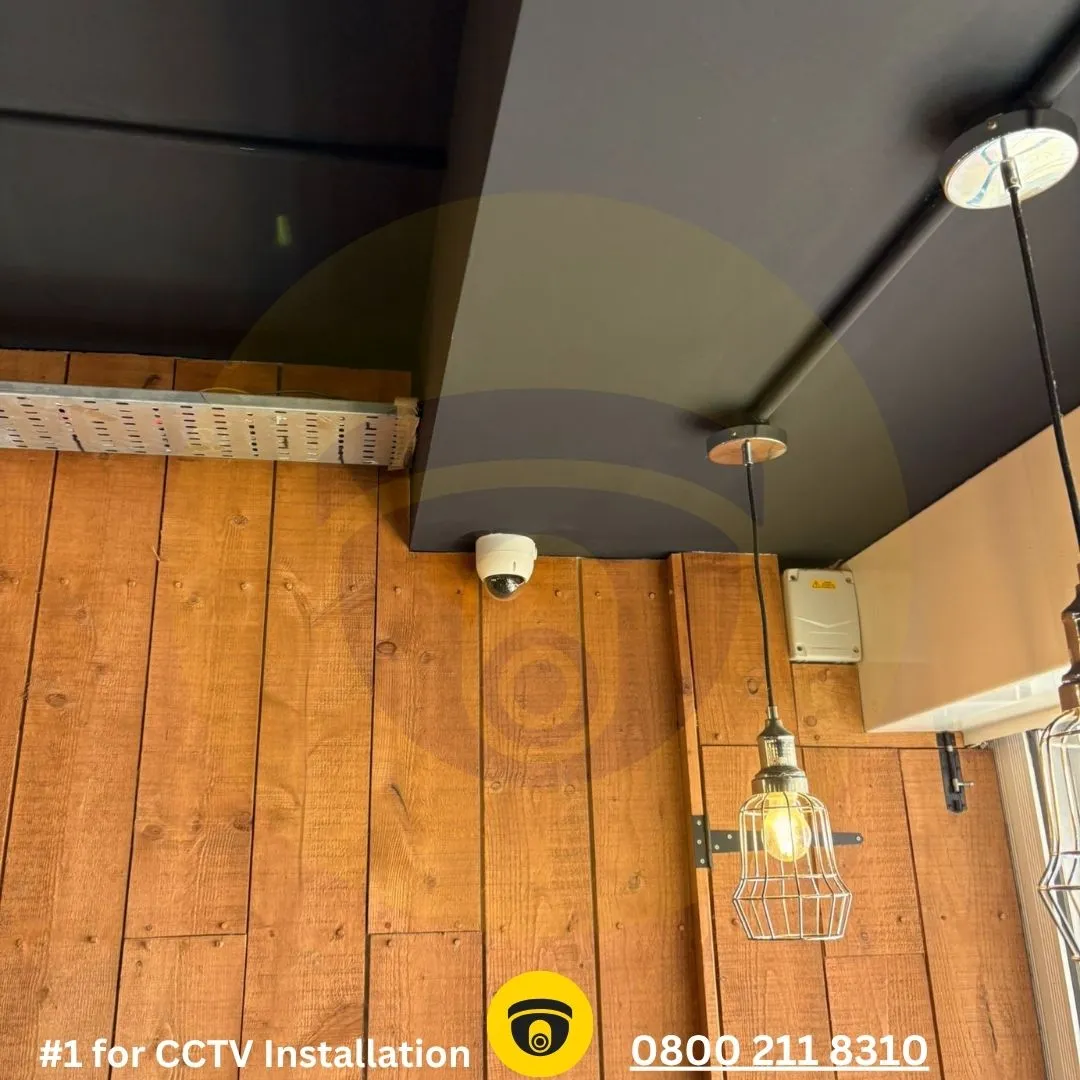
Dome cameras are popular for indoor retail areas because they are discreet and can be ceiling-mounted.
Benefits of Dome Cameras
- discreet design
- wide viewing angles
- Suitable for aisles and tills
- Vandal-resistant options available
- Good for indoor coverage
Dome cameras are ideal for monitoring shop floors, payment counters, corridors and customer areas.
Turret CCTV Cameras
Turret cameras are a popular choice for both indoor and outdoor retail CCTV because they provide strong image quality and flexible positioning.
Benefits of Turret Cameras
- Clear image quality
- Good night vision
- Flexible camera angle
- Suitable for entrances and stockrooms
- Less glare than some dome cameras
Turret cameras are often used at shop entrances, internal aisles and external doors.
Bullet CCTV Cameras
Bullet cameras are commonly used outdoors because they are visible, weather-resistant and suitable for longer-distance coverage.
Common Locations for Bullet Cameras
- Shopfronts
- Rear doors
- Car parks
- Loading bays
- Building perimeters
Their visible design can also act as a strong deterrent.
PTZ Cameras
PTZ cameras can pan, tilt and zoom, making them suitable for larger retail sites, car parks and external yards.
Advantages of PTZ Cameras
- Covers larger areas
- Can zoom in on activity
- Remote control options
- Useful for car parks and external spaces
PTZ cameras are usually more suitable for larger shops, supermarkets, retail parks and commercial premises
Cameras with Audio
Some shop CCTV systems may include audio recording, but this should be used carefully and only where appropriate. If audio is used, clear signage and a suitable reason are important.
Colour Night Vision Cameras
Colour night vision cameras can help capture clearer images in low-light environments, especially near shopfronts, shutters and external entrances.
Shop CCTV Policy Example
Shops using CCTV should have a simple written policy explaining how the system is used.
A typical shop CCTV policy may include:
- Purpose of CCTV monitoring
- Camera locations
- Who can access footage
- How long footage is stored
- How footage is secured
- How customers or staff can request information
- When footage may be shared
- Contact details for CCTV enquiries
A CCTV policy helps show that your shop uses cameras responsibly and transparently.
FAQs About CCTV for Shops
Yes, CCTV can be used in shops in the UK. However, it should be used responsibly and in line with data protection rules. Shops should display clear signage, avoid private areas and ensure footage is stored securely.
Yes, shops using CCTV should normally display clear signs informing customers, staff and visitors that CCTV is in operation. Signs should explain that recording is taking place and who is responsible for the system.
Common CCTV camera locations include entrances, exits, tills, aisles, stockrooms, delivery areas, shopfronts and rear doors. Cameras should be positioned to capture useful footage without being excessive.
The best CCTV system for a shop usually includes high-definition cameras, a reliable recording system, remote viewing and enough storage for recorded footage. Many retail premises benefit from a wired IP CCTV system connected to an NVR.
Yes, many modern CCTV systems allow authorised users to view live and recorded footage using a secure mobile app. This is useful for shop owners, managers and multi-site retail businesses.
There is no single fixed retention period for every shop. Footage should only be kept for as long as necessary for the purpose it was collected. Many businesses choose a practical retention period based on their security needs and storage capacity.
CCTV can help deter shoplifting and provide evidence if theft occurs. It is most effective when cameras are visible, correctly positioned and supported by other security measures such as alarms, staff awareness and good store layout.
Yes, many shops install CCTV near tills and payment areas to monitor transactions, reduce disputes and support investigations into cash handling issues. Cameras should be positioned carefully to avoid capturing sensitive payment details unnecessarily.
Professional CCTV installation is recommended for most shops because camera placement, recording setup and remote access need to be configured properly. A professional installer can help ensure the system gives useful coverage and records reliably.
The cost depends on the number of cameras, type of system, installation requirements and storage capacity. A small shop may only need a few cameras, while larger retail premises may require a more comprehensive system covering indoor and outdoor areas.


