


Table of Contents
| Section | What You’ll Learn |
|---|---|
| Key Industry Shifts Affecting CCTV for Home in 2026 | How the CCTV market is evolving, including cloud storage, subscription-free systems and smarter integrations. |
| New Technologies and Materials Entering the Market | The latest innovations including AI detection, night vision upgrades and solar-powered cameras. |
| Changing Customer Expectations and Preferences | What homeowners now expect from CCTV systems, including smart features, privacy and ease of use. |
| Regulatory and Policy Changes Impacting the Sector | How UK regulations, GDPR and emerging policies are shaping CCTV usage in residential settings. |
| Industry Predictions for 2026 and Beyond | Expert insights into where CCTV technology is heading and what it means for future home security. |
| What This Means for Your Home Security | A practical summary of how these trends affect homeowners and what to consider when upgrading. |
The residential CCTV market is evolving rapidly, and 2026 is shaping up to be a pivotal year for homeowners and landlords looking to upgrade their security systems. Whether you’re a DIY enthusiast keen to install your own cameras or a property owner searching for affordable, modern solutions, understanding the latest trends will help you make informed decisions about protecting your home or rental property.
Let’s explore the key developments transforming CCTV for home and what they mean for you.
Key Industry Shifts Affecting CCTV for Home in 2026
The CCTV sector is experiencing significant changes that directly impact how homeowners approach residential security. The shift towards cloud-based storage and processing has accelerated, reducing the need for expensive on-site equipment. Manufacturers are also moving away from proprietary systems, embracing open-standard platforms that work seamlessly with popular smart home ecosystems.
Another major shift is the rise of subscription-free models. Many homeowners were previously locked into monthly cloud storage fees, but 2026 sees more brands offering systems with local storage options and free cloud access for basic features. This makes residential CCTV significantly more affordable for budget-conscious DIY installers.
The market has also consolidated around a few major players, which means better product standardisation and improved support for existing customers. This consolidation has made it easier to find compatible accessories and replacement parts, a genuine relief for those managing their own CCTV installations.
New Technologies and Materials Entering the Market

Several exciting innovations are making their way into residential CCTV systems in 2026:
- Advanced AI-Powered Detection: Modern cameras now use artificial intelligence to distinguish between people, animals, vehicles, and other objects. This means fewer false alerts triggering your smartphone notifications, and smarter, more useful recordings.
- Improved Night Vision Technology: Infrared technology has evolved significantly. New thermal and hybrid sensors deliver crystal-clear footage in complete darkness without the grainy appearance of older systems.
- Lightweight, Durable Materials: Manufacturers are moving towards composite and reinforced plastic housings that are lighter, easier to install, and more weather-resistant than traditional aluminium casings.
- Solar-Powered Options: Maintenance-free solar-powered cameras are becoming genuinely practical for residential use, eliminating the need for complex wiring in difficult locations.
- Miniaturised Electronics: Smaller processing units mean compact camera designs without compromising on features or image quality. This is ideal for properties where aesthetics matter.
These technological advances mean you can deploy more sophisticated security without breaking the bank or needing professional installation expertise.
Changing Customer Expectations and Preferences
Homeowners and landlords in 2026 have higher expectations than ever before. The shift towards smart home integration is now a baseline expectation rather than a luxury feature. You’ll want your CCTV system to work alongside your smart doorbell, alarm system, and home automation hub without friction.
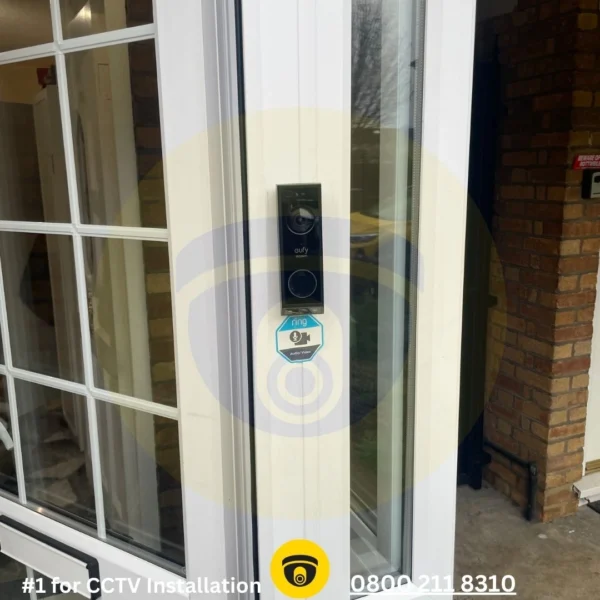
Mobile accessibility has also become non-negotiable. The ability to view live footage from anywhere, receive instant alerts, and access video clips from your smartphone isn’t a nice-to-have, it’s essential. Users expect intuitive apps with minimal learning curve and reliable connectivity.
Affordability remains paramount for the DIY market segment. The “prosumer” homeowner wants professional-grade features at accessible price points, and the industry is finally delivering on this promise through improved manufacturing efficiency and reduced supply chain costs.
Privacy and data security have emerged as major concerns. Homeowners want reassurance that their footage isn’t being harvested for data analytics or sold to third parties. Brands that prioritise local storage and transparent privacy policies are gaining significant competitive advantage.
Finally, there’s growing demand for aesthetic cameras that blend discreetly into residential settings. Gone are the days when chunky, industrial-looking cameras were the only option. Manufacturers now offer sleek designs that complement modern properties.
Regulatory and Policy Changes Impacting the Sector
Several regulatory developments are shaping the CCTV landscape in 2026. The Data Protection Act 2018 and UK GDPR continue to influence how residential footage can be stored and processed. If you’re renting out a property and installing CCTV, you must ensure adequate signage and comply with privacy obligations, something increasingly scrutinised by local authorities.
Energy efficiency standards are also tightening. The EU Energy-Related Products Directive and equivalent UK regulations mean manufacturers must design systems with lower power consumption. This benefits you through reduced electricity costs and makes solar-powered options more viable.
The Online Safety Bill has indirectly impacted CCTV manufacturers, pushing them to implement stronger data security measures and more transparent data handling practices. You can expect clearer terms of service and better cybersecurity protections on systems launched in 2026.
Some local councils are beginning to recommend or mandate certain CCTV standards for new residential installations as part of crime prevention initiatives. Whilst not yet law across the UK, this trend is worth monitoring if you’re in a higher-risk area.
Industry Predictions for 2026 and Beyond
Trade bodies like the Security Industry Association and publications such as Security Magazine have shared compelling predictions for residential CCTV in 2026.
The consensus is clear: artificial intelligence and machine learning will become standard, not optional. Expect cameras that learn your home’s patterns and alert you only to genuinely suspicious activity. The era of spam alerts is ending.
Battery technology improvements mean wireless CCTV systems will finally achieve the reliability previously only possible with wired installations. This is transformative for landlords and homeowners unable to undertake significant rewiring.
Industry forecasts suggest the DIY installation market will grow faster than professionally installed systems, driven by rising labour costs and improved plug-and-play solutions. If you’ve been hesitant about installing CCTV yourself, 2026 is the year to build confidence, the systems are genuinely becoming easier to set up.
Interoperability will accelerate. Rather than being locked into one brand’s ecosystem, you’ll be able to mix and match cameras, storage solutions, and control interfaces more freely than ever before.
What This Means for Your Home Security
As a homeowner or landlord researching CCTV options in 2026, you’re entering a buyer’s market with more choice, better technology, and more affordable options than any previous year. The industry shifts favouring subscription-free models and smart home integration are working in your favour.
Whether you’re installing a modest single-camera system or a comprehensive multi-camera setup, you can now access technology that rivals professionally installed systems at a fraction of the cost. The regulatory environment supports stronger privacy protection, and new materials and designs mean your CCTV won’t be an eyesore on your property.
The key is choosing a reputable supplier who understands residential needs and can support your installation journey. For comprehensive guidance on selecting and installing the right system for your property, explore our dedicated home CCTV solutions. We can advise on the latest systems, assist with installation, and provide ongoing support to keep your security investment working optimally.
The CCTV trends of 2026 genuinely empower homeowners to take control of their property security without the complexity or expense of previous generations. This is an excellent time to upgrade or install your first system.
