

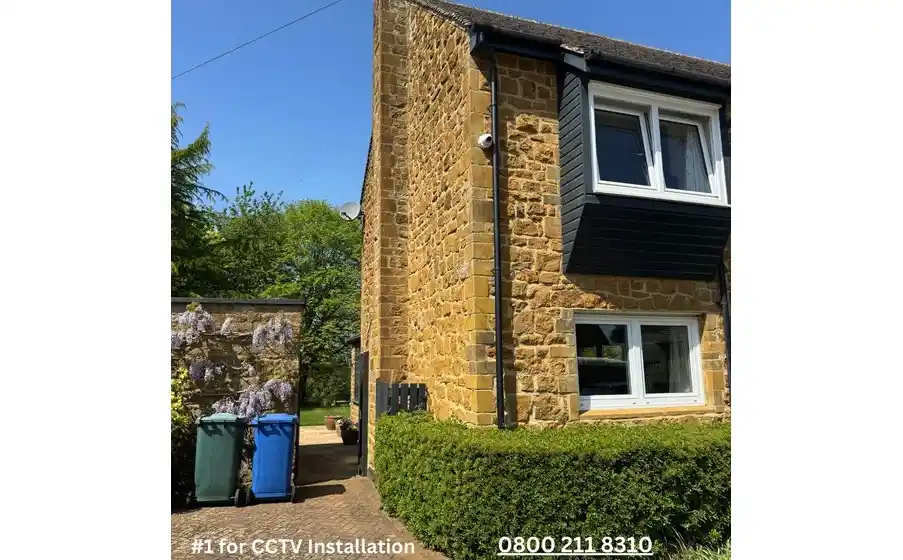
Table of Contents
| Section | What You’ll Learn |
|---|---|
| What to Consider Before Installing Outdoor CCTV | How to define your surveillance goals, choose the right features, and understand the legal requirements before installing outdoor cameras. |
| Best Locations to Install Outdoor CCTV | Where to place cameras for maximum coverage and deterrence, including doors, driveways, gardens, and alleyways. |
| Tips for a More Secure and Reliable Installation | Practical guidance on using weatherproof cameras, secure mounting, protected wiring, and proper testing for reliable performance. |
| Why Professional CCTV Installation Is Worth Considering | Common DIY installation mistakes and how professional installers improve coverage, reliability, compliance, and long-term value. |
| Real Protection for Every Property | Why correct installation is essential for effective security in both residential and commercial settings. |
| Key Takeaways | A clear summary of best practices for outdoor CCTV installation and how to avoid the most common pitfalls. |
Whether you’re protecting a residential driveway or monitoring a shop entrance, outdoor CCTV systems are among the most effective deterrents against crime and anti-social behaviour.
But here’s the catch: installation matters just as much as the cameras themselves.
Poor placement, weak mounting, exposed cables, or limited coverage can all render your investment ineffective, in some cases, completely useless or even leave you at a loss. In this guide, we’ll walk you through key considerations for installing outdoor CCTV, from choosing the right location to why professional help is often your best safeguard.
What to Consider Before Installing Outdoor CCTV
1. Understand Your Surveillance Goals
Before mounting any cameras, ask yourself:
- What are you trying to monitor, a front door, garden, alleyway, or car park?
- Are you trying to deter intruders, capture number plates, or simply monitor comings and goings?
- Do you need night vision, motion detection, or remote viewing?
Each use case requires different equipment and positioning. For instance, home CCTV may prioritise front and rear entrances, while commercial CCTV often focuses on loading bays or customer access points.
2. Know the Legal Boundaries
It’s essential to follow UK law when setting up CCTV outside your home or business. You must:
- Inform people that recording is taking place (e.g., with visible signs)
- Avoid capturing areas beyond your property where possible
- Ensure footage is only used for security purposes
For commercial CCTV, you may also need to register with the Information Commissioner’s Office (ICO). A professional CCTV installer will ensure your setup is both effective and legally compliant.
Best Locations to Install Outdoor CCTV
Proper placement is key. Cameras should offer maximum coverage, but also be installed out of reach to avoid tampering. Here are some common outdoor CCTV locations:
- Front Door: Your first line of defence. Position the camera at a height that captures facial features but avoids direct sunlight.
- Back Garden or Side Entrance: Often overlooked, these are favourite access points for burglars.
- Driveway or Garage: Ideal for monitoring vehicles and outbuildings.
- Rear Access or Alleyways: Particularly important in urban settings or behind retail premises.
Pro Tip: Avoid pointing cameras directly at the sun or reflective surfaces. Poor visibility from glare or shadows is one of the top causes of ineffective footage.
Tips for a More Secure and Reliable Installation
1. Use Weatherproof, Outdoor-Rated Cameras
Outdoor cameras must be durable and capable of withstanding British weather. Look for:
- IP66 or IP67 waterproof rating
- Anti-vandal casing
- Operating temperature range suitable for UK climates
2. Secure Mounting Is Essential
Improperly mounted cameras are vulnerable to tampering, movement, or damage during storms. Use appropriate brackets and anchors, especially on brick or rendered surfaces.
3. Protect Your Wiring
Exposed wires are not only unsightly but also a security risk. Always:
- Use conduit or trunking to shield wires
- Avoid routing through obvious or easily accessible areas
- Ensure power sources are protected from water ingress
4. Test Before Finalising
Once positioned, test your camera:
- During the day and at night
- With motion detection enabled
- Through the app or system you’ll be monitoring from
This ensures everything is properly aligned and functioning before making any permanent fixings.
Why Professional CCTV Installation Is Worth Considering
While DIY options can be tempting, outdoor CCTV installation is not always straightforward. We often receive calls from home and business owners who’ve spent money on a decent system, only to find it underperforms because:
- The camera’s view is blocked or too narrow
- Wiring was exposed and vandalised
- Footage is unusable due to poor angles or light glare
- They missed key coverage areas entirely
Professional CCTV installers bring experience in:
- Strategic placement to cover high-risk zones
- Ensuring cable security and weatherproofing
- Configuring remote access and alerts
- Aligning the system with privacy laws and insurance standards
It’s not about spending more, it’s about getting value from what you spend.
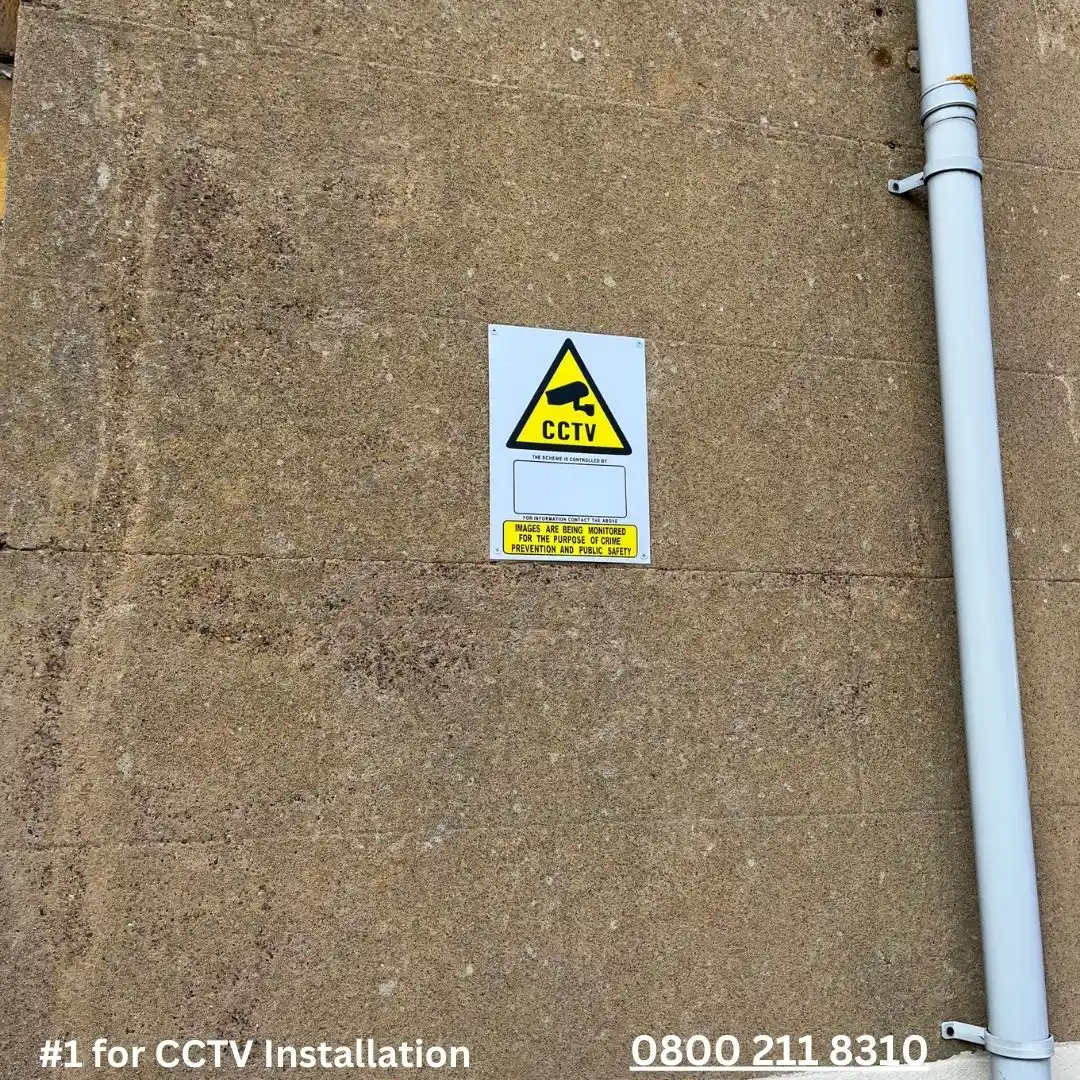
Outdoor CCTV: Real Protection for Every Property
Whether you’re securing a home in the suburbs or a small business in the city, outdoor CCTV installation can offer peace of mind, but only when done properly.
If you’re confident with DIY, take your time and follow all best practices. But if you’re unsure or want to avoid wasting money on a poorly installed system, getting expert help is a wise choice.
Key Takeaways
- Outdoor CCTV is one of the best tools for preventing crime, but only when installed correctly.
- Common mistakes include poor placement, weak mounting, exposed wiring, and legal oversights.
- Key locations include entry points, driveways, rear gardens, and alleyways.
- Always use weatherproof equipment, secure mountings, and protected cabling.
- Professional CCTV installation ensures maximum coverage, reliability, and legal compliance.
The goal of any CCTV system is simple: protection. If you’re going to invest in outdoor cameras, make sure they’re doing the job properly. A camera that isn’t installed well won’t just underperform; it could leave you exposed.
At CCTV.co.uk, we believe in getting it right the first time, with advice, expertise, and solutions for every budget and property type.
